COVID BioArchive Update

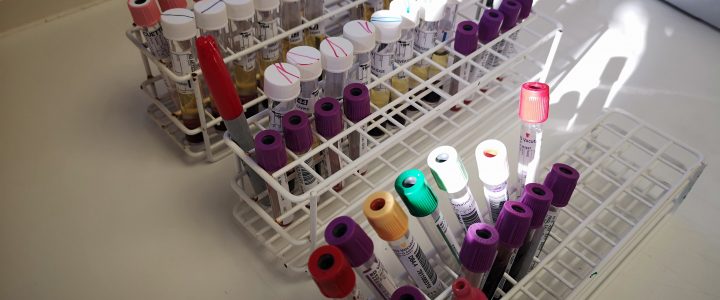
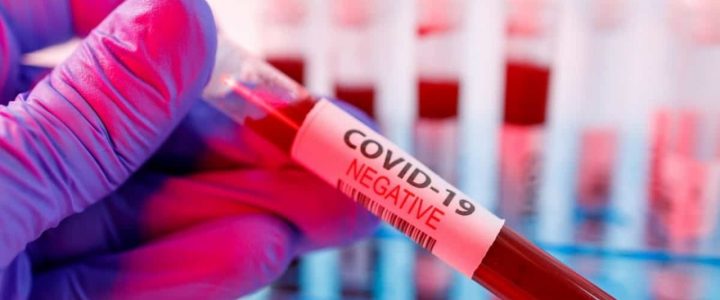
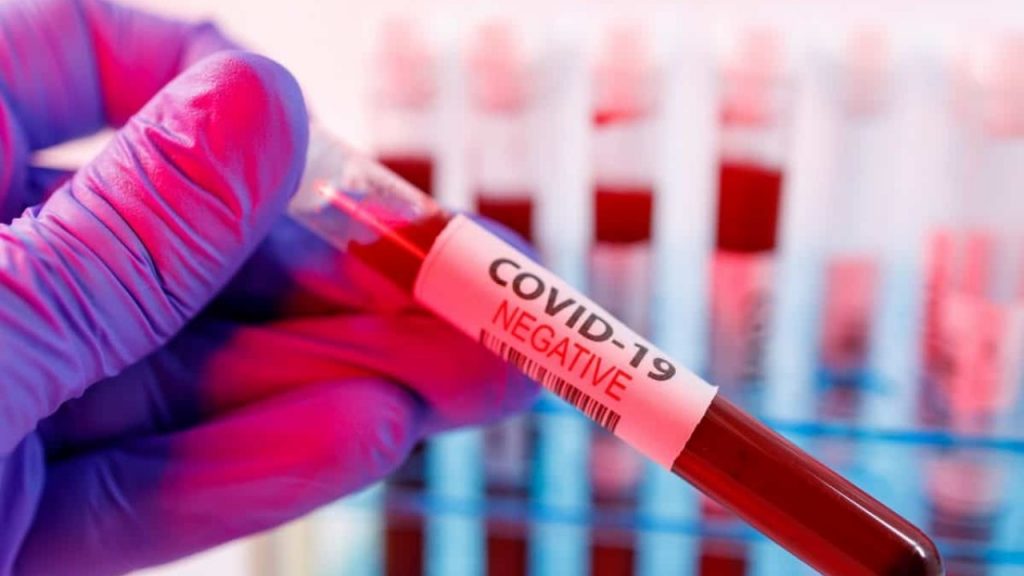
Since March 2020 the QUOD team has been supporting the national effort in the fight against COVID-19. QUOD’s extensive biobanking expertise, infrastructure and personnel have served to set up the NHSBT Oxford COVID BioArchive (COBA).  Over 68,000 blood samples from convalescent plasma donors who have recovered from COVID-19 have been collected and processed as part of the NHSBT Convalescent Plasma programme. In addition, since September COBA has received over 18,000 samples collected from recipients of convalescent plasma and monoclonal antibody treatment in the international RECOVERY trial.

These samples were used by a number of research groups, NHSBT and Public Health England in a variety of projects, including assessment of novel COVID-19 tests, characterisation of COVID-19 antibody function, and analysis of the efficacy of convalescent plasma treatment. With this COVID BioArchive, we have been able to establish a robust and sustainable resource for future validation and research helping us to gain better insight into COVID-19 and anticipate targeted intervention.

You may have heard that on 15th January randomisations of patients into convalescent plasma was paused following disappointing interim results that showed no evidence that convalescent plasma has an overall benefit on patient outcomes in moderately ill people.  Work to search for evidence of benefit in subgroups before organ damage and hospitalisation occurs is now under consideration.

Given the quantity of samples now available, it has been decided that collection of further plasma samples will not be resumed.  The news may seem discouraging, however an important scientific question has been answered.  In terms of the scale and volume of the operation this was a considerable undertaking that has proved that the QUOD infrastructure in close collaboration with the NHSBT’s Blood Service has the capacity and versatility to help and meet such an important demand.

Over 250,000 samples are currently stored in the COVID BioArchive to be used for dedicated research questions and validation of novel tests. Applications are welcome from national and international research groups or health care authorities.
BTS & NHSBT Congress 2021 Roundup

by Rebecca Vaughan

This year, as has become our new norm, the BTS Congress 2021 was hosted using an online platform, allowing delegates to experience interactive plenary sessions and parallel sessions similar to when attending the conference.  However unique to the online experience was the opportunity to access content ‘on-demand’, including the additional option to listen to pre-recorded abstract talks, at a time that suits you.  Although, many were saddened by the lost opportunity to meet with colleagues and friends, the commitment from BTS to provide an opportunity for clinicians and researchers to gather and share their research from the last 12-months was an absolute success and credit to the organisers. 

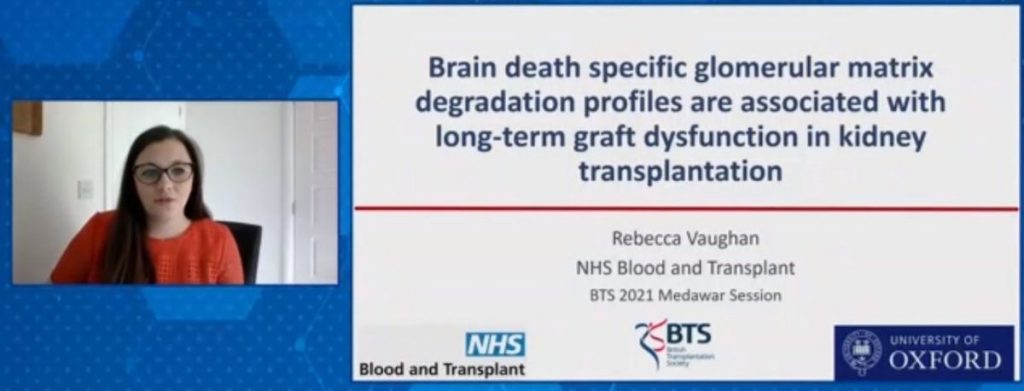
For this conference, I submitted an abstract titled ‘Brain death specific glomerular matrix degradation profiles are associated with long-term graft dysfunction in kidney transplant’ on behalf of our teams at NHSBT and the Oxford Transplant research lab in University of Oxford.  This abstract was selected for presentation as part of the ‘Medawar Award Session’, where my abstract and presentation was considered for the award along with three other researchers who also submitted abstracts for basic science in transplantation. I feel incredibly fortunate to have had our abstract considered for the Medawar award, and was excited to highlight how we have utilised invaluable samples from the QUOD biobank.  Our research utilised 60 kidney biopsies from the QUOD biobank from both DBD and DCD donors.  Our work described a DBD specific degradation profile for cytoskeletal proteins in donor kidneys that linked to suboptimal 12month posttransplant function.  Our research was considered novel in that it indicates that protein degradation may affect donor kidneys and post-transplant function. Preparing for my live presentation was also a memorable experience, involving many rehearsals with my supervisors Dr Kaisar and Prof Ploeg and colleagues, many adjustments and changes before the final live talk.

Our group also had a second opportunity to present our research work involving the analysis of  QUOD samples. A second abstract titled ‘Protein profiles in deceased donor kidneys associated with 12-Month post-transplant kidney function’ was accepted as a pre-recorded talk, presented by our colleague Priyanka Joshi.  This study utilised 185 kidney biopsies from the QUOD biobank for proteomic analysis, comparing DBD and DCD donors with differing functional outcomes 12mth posttransplantation.  This study showed that protein markers in donor kidneys associate to posttransplant outcomes and indicate which biological pathways may play a role in determining the donor kidney quality.

Our research work has highlighted the value of the QUOD samples; based on the collection protocols, these samples provide us with confidence regarding sample quality and collection continuity.  Importantly, our sample selection and analysis is linked with the clinical and demographic metadata that we receive from the National Transplant Registry from NHSBT. The combination of the selection of QUOD samples and donor and recipient metadata makes a unique research resource.  

The overarching focus of the BTS congress was the impact of COVID-19 on transplantation, with NHSBT statistics team highlighting changes in trends of donation and transplantation due to the pandemic.  An invited keynote speaker focused on ‘resilience’  encouraging people to reflect on their own resilience and how they have adjusted to the inevitable changes that have come along with a global pandemic, whilst looking to the future with reasonable caution but also excitement.  Several talks also touched on emerging perfusion technologies and the improvements they may have on outcomes in the future, and evaluating single centre experiences.

Overall the BTS Congress 2021 was a great success despite the mammoth task of moving the conference to an online platform.  The opportunity to bring together scientists and clinicians to discuss research, trends and experiences in transplantation is essential to moving the field forward.  The conference provided an excellent opportunity to showcase research work, however the opportunity to interact with each other; ask questions, discuss and debate ideas was lacking and greatly missed.  The representation of QUOD, NHSBT and the University of Oxford was strong, and hopefully more researchers were inspired to consider QUOD samples for their ongoing work.

Congratulations to Charlotte Brown (Wales Kidney Research Unit) and Maria Ibrahim (NHSBT Bristol) who were awarded the 2021 Medawar Medals at the congress. Click here to read about their research.

Increasing the Number of Organs Available for Research (INOAR)

Until recently, only organs removed for transplant, but subsequently not transplanted were available to researchers.  Thanks to a collaboration between QUOD and Newcastle University, in partnership with NHS Blood and Transplant, new arrangements have been implemented that will allow hearts, lungs and pancreases which are unsuitable for transplantation to be retrieved for research purposes. This will greatly facilitate ongoing research into developing ways more donated organs can be converted into successful life-saving transplants.

Clare Denison, Lead Specialist – Innovation and Research ODT at NHS Blood and Transplant, said: “This is a significant moment for our organisation and researchers across the country. INOAR will change the face of transplantation and ultimately improve patient outcomes and quality of life in the future.”

This development is particularly exciting for diabetes researchers. Almost 4 million people in the UK are living with diabetes. The condition occurs when the pancreas doesn’t produce enough insulin, or when it can’t produce any at all, which leads to blood glucose levels being too high. Until now, the pancreas has not been removed, or even sampled following the death of people with diabetes during organ donation for transplantation.  Research into the mechanisms preventing normal pancreatic insulin production in diabetes has therefore been limited to the small number of post-mortem samples currently stored in the UK.

Dr Elizabeth Robertson, Director of Research at Diabetes UK, said: “This is an exciting step forward that we hope will rapidly advance our understanding of the causes and progression of diabetes … world-class scientists will now have vital access to pancreatic tissue, propelling our knowledge of diabetes forward and bringing us a step closer to a world where diabetes can do no harm.”

Spotlight on a QUOD Colleague: Dr Maria Kaisar

by Susan Patchett

This time we will be getting to know Dr Maria Kaisar who is a scientist leading valuable research to identify biomarkers to better assess the quality of deceased donor organs.  She explained that biomarkers can be proteins or genes that can be measured during organ donation to indicate the risk of poor function or even failure after transplantation.  Her work also investigates biological processes that may be altered during organ donation and impact on effective organ function.  She says that the more that can be learned about the changes in biological mechanisms, the closer we come to designing new therapies to repair organs and make transplants last longer.

Dr Kaisar says she feels privileged to have been part of the QUOD team since its creation in 2012.  She recalls the strong collaborative spirit of the clinical teams (NORs, SNODs), academic partners and scientists across a host of institutions including NHSBT and transplant centres who all contributed to the development of the QUOD project.  She has watched QUOD evolve into the platform it has become today and takes great pleasure in seeing QUOD samples supporting so much exciting research both nationally and internationally.

Maria has also been working on the COMPARE Trial that showed that the addition of oxygen during hypothermic machine perfusion of older DCD kidneys improved transplant outcomes.  COMPARE is a component of the Consortium for Organ Preservation in Europe (COPE).

Every day is different for Maria as she spends her time in meetings, designing new experiments, analysing data and drafting grant applications and papers.  She splits her time between her lab at the NHSBT Filton Blood Centre in Bristol, where she has built a small team, and at the University of Oxford working alongside colleagues in the QUOD/Ploeg Research lab at the Oxford Blood Centre. She also holds responsibilities as Vice-Chair of ESOT’s (European Society of Transplantation) Basic Science committee. Working with colleagues from across the United Kingdom and further afield in the Netherlands, Austria, Denmark, France and Belgium has provided valuable friendships that extend beyond scientific interest.

Maria is a passionate advocate of the Women in Science initiative and diversity in science.  She says ‘We must rethink scientific careers to support career progression of scientists to senior leadership roles whilst caring for families – COVID has taught us that we can be productive in many ways and incorporate flexibility achieving a healthy work life balance. We also should aim to be more ethnically diverse as we can only gain valuable insights and perspectives’. The most significant obstacle faced by scientists today, she says, is the lack of long term, secure funding.  COVID has shown that investment in science is essential to meet the changing medical challenges we are faced with. 

Dr Kaisar’s journey in science began with her interest in biology at school, though she was also keen on philosophy, ‘very Greek!’ she laughs.  With a BSc in Chemistry from the University of Athens, she took up a one-year internship that became a six-year research role at Imperial College School of Medicine. After taking some time out to start a family, she returned to work for NHSBT and developed a strong interest in organ transplantation that led to joining Professor Ploeg’s group and completing a DPhil at the University of Oxford.

When Maria isn’t pondering science she loves holidays with her family, picnics, long walks and cooking.  She also loves live music and going to concerts and gigs which she hope to be able to do again soon.

Spotlight on a QUOD Colleague: Dr Hannah McGivern

by Susan Patchett

As part of our new series of spotlights on QUOD colleagues, I caught up with QUOD’s Tissue Handling Technician, Dr Hannah McGivern this afternoon.

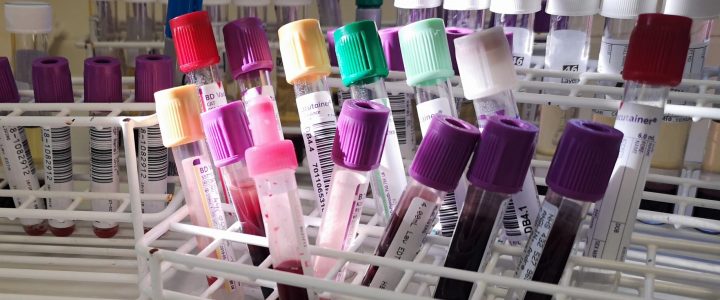
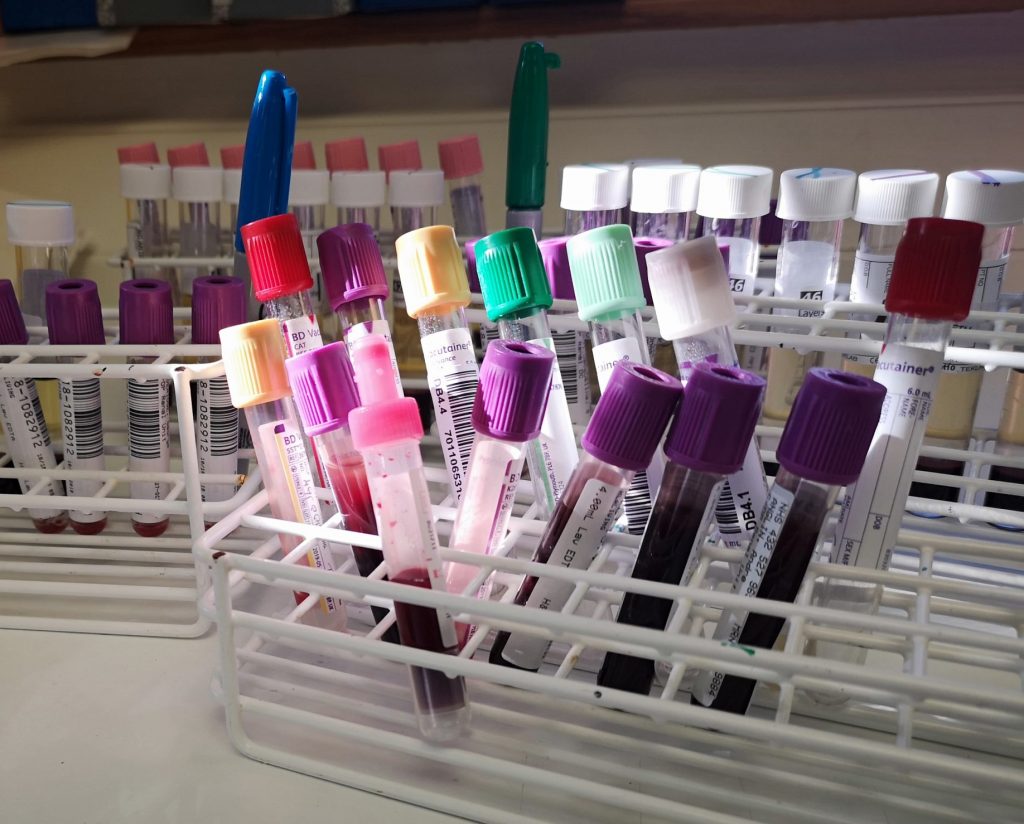
Hannah takes receipt of and processes donor tissue samples; that is to say biopsies from both deceased and living donor organs, sent to us by QUOD hospitals up and down the country.  These samples are then stored in the biobank ready for researchers to apply for access to.

Hannah finds her work rewarding and relished the opportunity to learn the raft of new skills in soft tissue processing. She says that she feels privileged to collect samples in theatre for the Oxford Transplant Biobank (OTB), and to play a small part in this important moment in the lives of living donors and recipients. 

2020 has, of course, been a difficult year and the sudden and dramatic impact of the pandemic has been felt by everyone.  Hannah has also been working alongside QUOD colleagues to process plasma samples from individuals who have recovered from COVID-19 for the Convalescent Plasma Programme and for the new COVID BioArchive (COBA).  The pressure has been high in terms of the sheer volume of samples; the record was 300 samples processed in just one day!  Hannah feels honoured to be contributing to work that has the potential to have an important impact on the world; and on the future of biological science; ‘This is what every scientist dreams of.’  You can read more about COBA in our latest newsletter.

Hannah began working with us just over a year ago, during the final stages of her PhD at Cranfield University.  Her studies focussed on the structure and mechanical properties of the human skeleton.  She looked, in particular, at the ribs and clavicle and how their condition changes as we get older. Her work showed that our mechanical strength peaks in our mid-thirties before deteriorating.

Hannah’s interest in science began at the tender age of seven when her grandfather, an engineer in the Royal Air Force, described yeast as ‘little animals’.  At around eleven, her love of science was set in concrete when, at school, she came across a crime scene investigation kit which taught pupils the basic principles of forensic science, including how to take fingerprints. With her appetite whetted, she went on to study for a BSc in Archaeology with Forensic Science at the University of Exeter, followed by an MSc in Forensic Osteology at Bournemouth.

She has participated in archaeological digs as far afield as the USA and Iceland.  At Cranfield, she assisted with the cataloguing of human remains from a dig, colloquially dubbed Rat Island (Burrow Island), a tiny peninsula that juts into Portsmouth Harbour.  It is thought that the skeletons found there could be prisoners from the late 18th and early 19th centuries.  It was revealed that one may have undergone surgical experimentation, post-mortem, as the top of their skull had been removed.  The dig featured on ‘Digging for Britain’ a production for the BBC presented by Professor Alice Roberts.  Hannah is fascinated about what can be learned about the past from skeletal remains.  If you’d like to know more about this project click here.

Hannah is passionate about outreach work and contributes wholeheartedly to public engagement for QUOD.  In addition, she was selected to participate in Soapbox Science, an interactive outreach event to promote the work of female scientists. She is also a volunteer STEM (Science, Technology, Engineering and Maths) Ambassador going into schools to raise awareness of the careers available to women.  Having grown up in an area of the country  where the uptake of higher education is lower than much of the country, she strives to change preconceptions about female scientists and inspire young women to embark on careers they may not have deemed possible.  She is an avid supporter of the ‘Women in Science’ initiative and points out that QUOD, being staffed predominantly by women, is a perfect example.  You can read her blog by clicking here.

Though it is not all work, work, work for Hannah; she has a passion for literature and film, was an avid fan of Top Gear growing up and when she can, enjoys Latin and ballroom dancing.

Meet the Team: Bhee Bellew, Transplant Research Project Manager

At the beginning of September we welcomed our new Transplant Research Project Manager, Bhee Bellew. You can look forward to hearing more from Bhee as she settles into her new role, but for now here’s a short introduction:

What were you doing most recently before joining QUOD?
Decorating!  HR emailed to chase the photo required for my University Card, so underneath the dress I threw on there’s a paint-splattered t-shirt.  Work-wise, before my between-jobs break I’d spent many years at the University of Oxford, most recently managing a large grant in the Faculty of Medieval and Modern Languages.

What interested you about working with QUOD?
I’d applied for a number of roles when my last contract ended, and was in the fortunate position of having some options to choose from. I imagined waking on a dark, wet February morning during a difficult work week (all jobs have them), and which role would most motivate me to get out of bed…and QUOD was the answer. It’s the opportunity to support research with such fantastic impact.  Also, everyone seemed really nice at my interview!

What does your role in QUOD involve?
It’s my 8th day in the job so this is question I’m currently asking other people!  I support Professor Ploeg in managing his portfolio of research projects in transplantation.  This includes maintaining core project documents, financial administration, meeting arrangements, helping prepare reports for funders, and supporting bids for additional funding. In addition to QUOD, I provide support for the Consortium for Organ Preservation in Europe (COPE).

Lightning round time. Tea or coffee?
Tea.  The only acceptable place for coffee is in tiramisu.

Favourite place in Oxford?
Wytham woods.

Best holiday trip ever?
New Zealand. I’m fascinated by geothermal landscapes, and bathing in natural hot water is wonderful.  Easier to get to on a regular basis, I love the Isle of Wight.

Primary COVID-19 lockdown survival method?
My favourite yoga studio’s classes live-streamed to my garden.

Finally, what kinds of inquiries should people bring to you, and how best can they reach you?
Email me at bhee.bellew@nds.ox.ac.uk with QUOD admin or finance queries.

Covid-19 Update: QUOD Resumes

QUOD and NHSBT are delighted to let you know that QUOD sample collection has resumed as of Tuesday 28th July.

Due to the commitment and help from all of the QUOD collaborating partners, the QUOD biobank has been able to facilitate approximately 60 research projects and supported research groups to successfully apply for almost £ 9M of national and international funding, focusing on different aspects of donor organ quality and transplantation. Within the next few weeks we will also reach the milestone of 5,000 organ donors that have been included in the QUOD bioresource.

We are looking forward to getting back to work again and would like to thank all involved in QUOD for their ongoing support!

Unlocking QUOD: An Update on Developing Collaborations and Visibility

As you know, QUOD provides a unique bioresource of deceased donor clinical samples for research to improve donor and organ assessment, increase organ utilisation and transplant longevity; thereby saving more patients in need of a transplant.

In addition to biobanking, QUOD has also introduced a wider vision of collaborative research with both scientists and clinicians to accelerate research progress in organ donation and transplantation. So, QUOD has put the foundations to establish a scientific platform to include complementary cross-cutting scientific technologies across all donor organs. This vision includes the application of high-sensitive technologies such as proteomics, transcriptomics, imaging and machine learning applied to pancreas, kidney, liver, heart and lungs. Access to whole organs will also provide new exciting possibilities such as mapping the different cell populations of each organ to create cell atlases to better understand organ physiology.

QUOD is a bioresource open to any researcher with a high-quality scientific proposal. To reach all the researchers who might be interested in receiving QUOD samples we have taken steps to increase the visibility of QUOD. We are building valuable relationships with a number of  UK funding charities; including Kidney Research UK, Diabetes UK, Diabetes Research and Wellness Foundation, The British Heart Foundation, The Cystic Fibrosis Trust and Juvenile Diabetes Research Foundation, Kidney Research UK and Diabetes UK, in particular, have been invaluable partners and we are grateful for their participation in the Steering Committee. Both charities now showcase QUOD on their websites and have invited QUOD presentations to their clinical study groups and relevant research networks.

In 2019, The British Transplantation Society (BTS) has started an initiative to create a nationawide Research Network. The aim is to create a UK multi-disciplinary collaboration between patients, scientists, clinicians and other stakeholders, to optimise organ donation and utilisation, and improve outcomes for transplant patients. As QUOD is a national infrastructure to service research in donation and transplantation, we have offered our support and the option to integrate in the BTS Network hopefully providing a robust pilar for researchers to go to when needed. In addition to individual or collaborative research projects, QUOD is also able to adjust its sampling policies according to new developments in the field of transplantation, e.g. when we started to collect NRP samples upon request, or when clinical trials require this. As the basic infrastructure is already in place, project related additions are feasible if national strategy deems this as important.

To reach all transplant professionals with an interest in research we strive to have a presence at all the major transplantation conferences. Having a booth where researchers and clinicians come and talk to us has proven very popular.  We have enjoyed speaking to delegates and colleagues who make enquires about QUOD samples.  At the British Transplantation Society Congress in Belfast in March, it was great to see so many colleagues who came to talk to us and hear about new developments in QUOD and ongoing research.  It also offered us an opportunity to say thank you in person to so many of you for your valuable support. 

QUOD Partners with Blood Donor Service to Support National Research to Combat COVID-19

QUOD is very pleased to collaborate with the Blood Donor Service to support two major research projects related to COVID-19.

First, QUOD is providing support for the Convalescent Plasma Trials, REMAP-CAP and RECOVERY. The trials will collect plasma samples from patients who have recovered from COVID-19 to administer to patients suffering from serious symptoms in the hope that this will boost their production of antibodies. QUOD personnel are assisting with the preparation and distribution of plasma from recovered patients, as well as the acceptance, storage, and distribution of plasma from trial participants.

In addition, assistance from QUOD was essential in the effort to rapidly scale up validation of COVID-19 antibody tests. COVID negative plasma samples from the QUOD biobank were used to provide a ‘healthy patient’ control group to test for false positives. QUOD personnel have also been hard at work preparing additional plasma samples provided by the Blood Donor Service for testing. Initial results of this antibody testing are described in this pre-print.

The swift and efficient deployment of QUOD resources and personnel to support these efforts is a strong testimony to the strategic value of the research platform we have built together. We are glad to have a meaningful role in enabling the national response to the crisis.