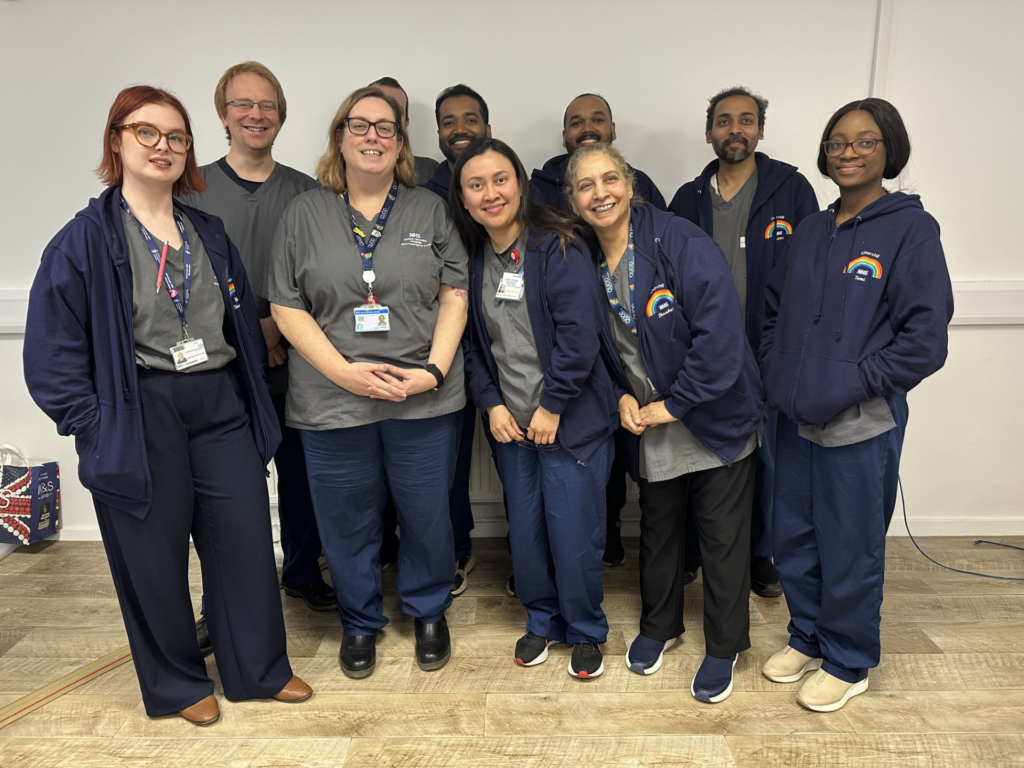
In May, the Oxford NORS perioperative team, led by Angela Losekann, visited the QUOD Oxford Hub at the John Radcliffe Hospital to meet the team and gain first-hand insight into what happens to the samples collected for the QUOD Biobank during organ retrieval.
It was a pleasure to welcome the team, hear about their experiences of organ retrieval and what a typical week looks like for them, and, in turn, show them how the Hub operates, from assembling our bespoke collection boxes to processing samples for long-term storage, as well as preparing samples to supply to research projects. The visit provided an excellent opportunity to strengthen connections between the two teams, share knowledge, and answer the many thoughtful questions the perioperative team had.
In June, we also held a virtual training session all about QUOD for the Newcastle NORS perioperative team.
The Oxford NORS perioperative team
We’ve also been reaching out to SNOD regional teams, to provide an update on all things QUOD! Sarah Cross, QUOD’s National Operational Coordinator, met the SNOD team from the South West region and provided an overview of the QUOD pathway, from sample collection and consent through to processing, storage, and distribution to researchers. The roles of the QUOD Hub, SNODs, NORS, and regional laboratory teams were highlighted, as well as QUOD’s whole organ service. The session also showcased the breadth of research supported by QUOD, featuring examples of current studies, and concluded with an update on work with the UKODTRN and donor family members to develop clearer plain language summaries of QUOD research for use by SNOD teams when discussing research with donor families.
Sarah will be meeting with the London SNOD team in July. Please get in touch if your team would like to be involved.
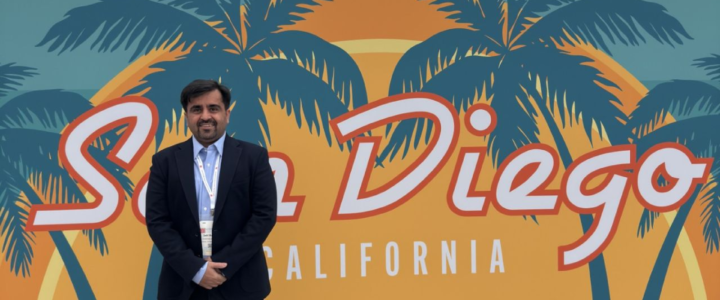
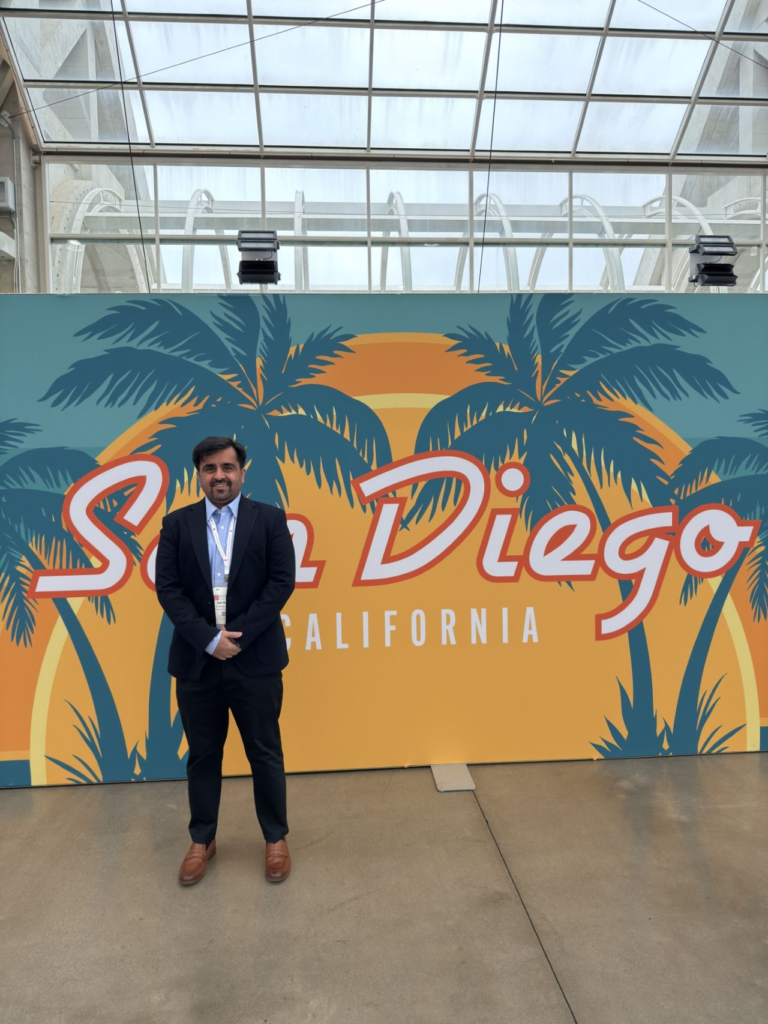
In June, Sadr ul Shaheed presented his research, which used QUOD Biobank samples, at the 74th Annual Conference on Mass Spectrometry and Allied Topics (ASMS 2026) in San Diego, USA.
“[It was] great to be at ASMS2026 sharing our latest work on multi-omics integration in transplantation research.
Our study (RAP052) combined proteomics and metabolomics to investigate donor-derived molecular signatures associated with kidney graft viability and primary non-function, highlighting the potential of integrated omics approaches for biomarker discovery and improved pre-transplant assessment.
It was encouraging to see strong interest from the mass spectrometry community, particularly around multi-omics data integration, translational biomarker research, and the importance of well-characterised biobanking resources in enabling high-impact clinical studies.
Thank you to everyone who took the time to discuss the work and share their insights. Looking forward to future collaborations and advancing the application of multi-omics in precision transplantation.”
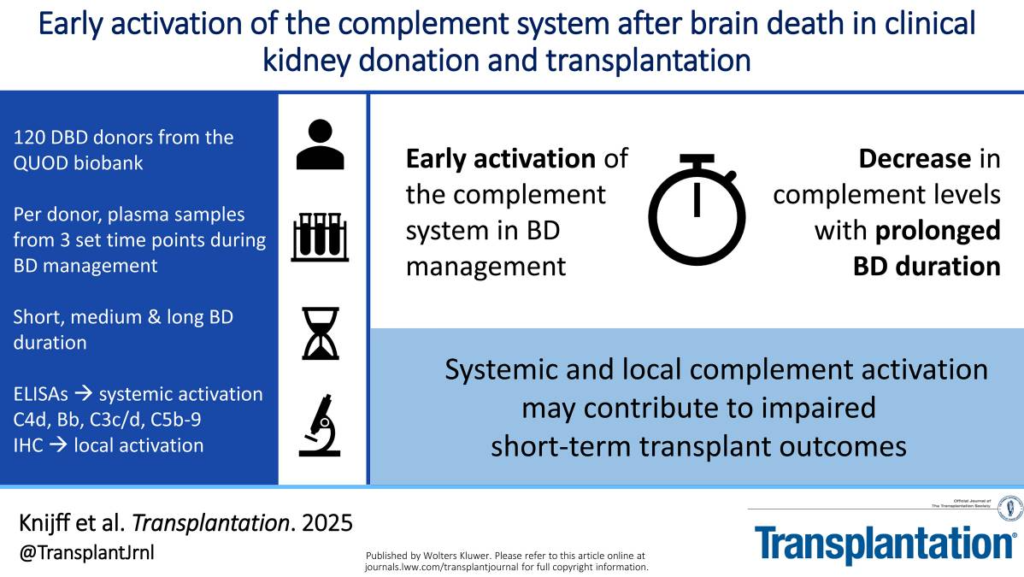
Knijff et al. investigated how brain death (BD) duration impacts complement activation levels using plasma samples and kidney biopsies from the QUOD biobank. This group, led by Professor van Kooten (Leiden University Medical Center, the Netherlands) and Professor Ploeg (University of Oxford) showed that systemic and local complement activation may contribute to impaired short-term transplant outcomes.
Donation after brain death (DBD) has long been the preferred choice of deceased donor type in solid organ transplantation. BD results in an inflammatory response, including activation of the complement system. This protein cascade is part of the innate immune system. While previous studies have identified activation of the complement system in deceased donors, none have specifically studied kinetics of complement activation during donor management following BD. A better understanding of this may help improve donor management, potentially reduce inflammatory injury in the graft-to-be and could reveal novel targets and timing for donor intervention strategies to improve transplant outcomes. The aim of this study was to determine the activation status of the complement system in DBD kidney donors at different time points during BD management.
The researchers used plasma samples and kidney biopsies from 120 DBD kidney donors obtained from the QUOD biobank. In addition, 20 living donor samples were obtained from the Oxford Transplant Biobank as controls. Samples were routinely taken at 3 fixed points during BD management and donors were grouped according to short (≤14 h), medium (15–22 h), or long (≥23 h) duration of BD. Complement activation products C4d, Bb, C3c and C5b-9 were analysed in plasma and at the tissue level.
All complement activation products showed significant higher levels in plasma samples taken just before organ procurement, compared with living donor samples taken at similar timepoint. Complement activation was already observed at the start of donor management and remained elevated. Prolonged BD duration was associated with reduced complement activation. Elevated levels of complement activation factor Bb were associated with increased delayed graft function (DGF), while increased complement activation factor C4d levels showed trends toward higher DGF and lower eGFR at 3 months posttransplantation. Also, renal biopsies taken just before reperfusion, showed local complement activation, with more intense complement staining (C3d and C5b-9) in the vascular pole in kidneys that developed DGF.
Summarizing, this study provides new insights in the dynamics of complement activation in DBD donors. The authors demonstrate that the complement system is activated both systemically and locally following BD and during donor management. Strong complement activation is already observed early on during BD management. Prolonged BD duration was associated with lower systemic complement levels and increased levels of complement activation appear to correlate with short-term kidney function. These findings highlight the importance of understanding complement dynamics and studying them earlier in the donor as well.
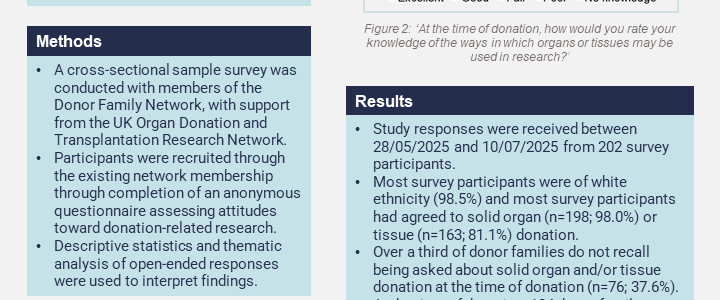
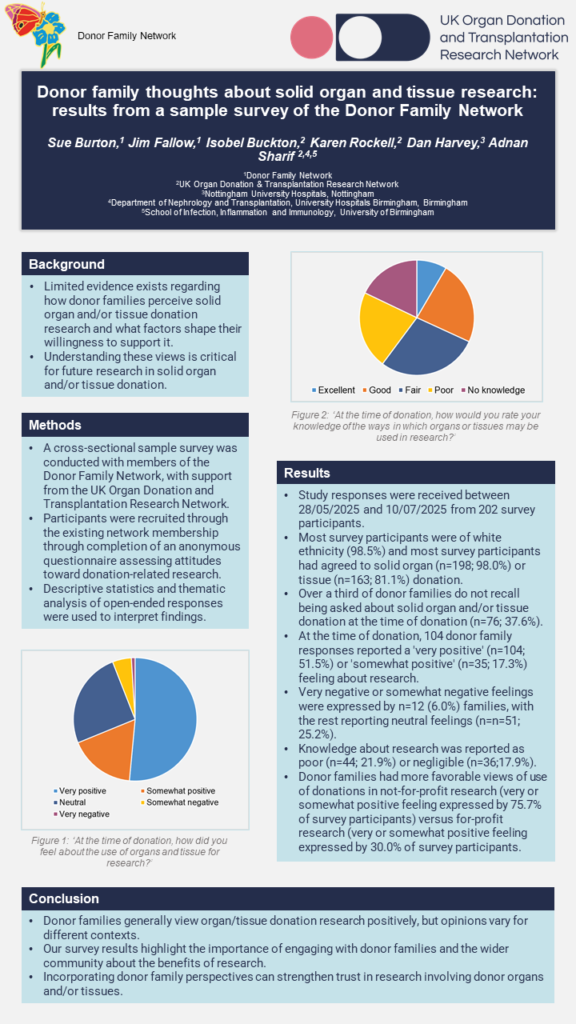
The UK Organ Donation and Transplantation Research Network C.I.C. (UKODTRN), in collaboration with the Donor Family Network, recently conducted a survey to better understand donor family perspectives on the use of organs and tissues for research. Responses from over 200 donor family members highlight generally positive attitudes towards research, particularly when it is conducted for not-for-profit purposes. However, the findings also reveal important gaps in communication and understanding: more than a third of respondents did not recall being asked about research at the time of donation, and many reported limited or negligible knowledge of how donated organs or tissues might be used in research. While most families expressed support, views were more mixed when research involved commercial or for-profit contexts, underscoring the importance of transparency and trust.
For researchers using QUOD Biobank tissue samples, these findings carry important implications. They reinforce the need to respect and reflect donor family expectations by ensuring clarity about how samples are used, particularly around the purpose and potential beneficiaries of research. There is a clear opportunity—and responsibility—to improve donor family involvement in research studies and also donor family-facing communication about the value and impact of research using donated material. Demonstrating tangible benefits, maintaining openness about partnerships (including with industry), and embedding donor family perspectives into research governance will be key to sustaining trust. Ultimately, aligning research practice with donor family values not only honours their contribution but also strengthens the ethical foundation and public support for initiatives like QUOD Biobank.
Karen Rockell (UKODTRN) and Sue Burton (Donor Family Network)
Plain language summaries of QUOD research studies
QUOD Biobank has continued to support work to improve public understanding of the research it enables by contributing to the development of plain language summaries for research projects. Led by the UKODTRN, this initiative aims to make research more accessible by providing clear, jargon-free descriptions of study objectives and potential impact. By helping to improve transparency and communication with donor families, transplant patients and the wider public, this work supports QUOD Biobank’s commitment to meaningful public engagement and demonstrates the value of the samples and data entrusted to research.
You can find four plain language summaries covering a range of projects facilitated by QUOD on our website.
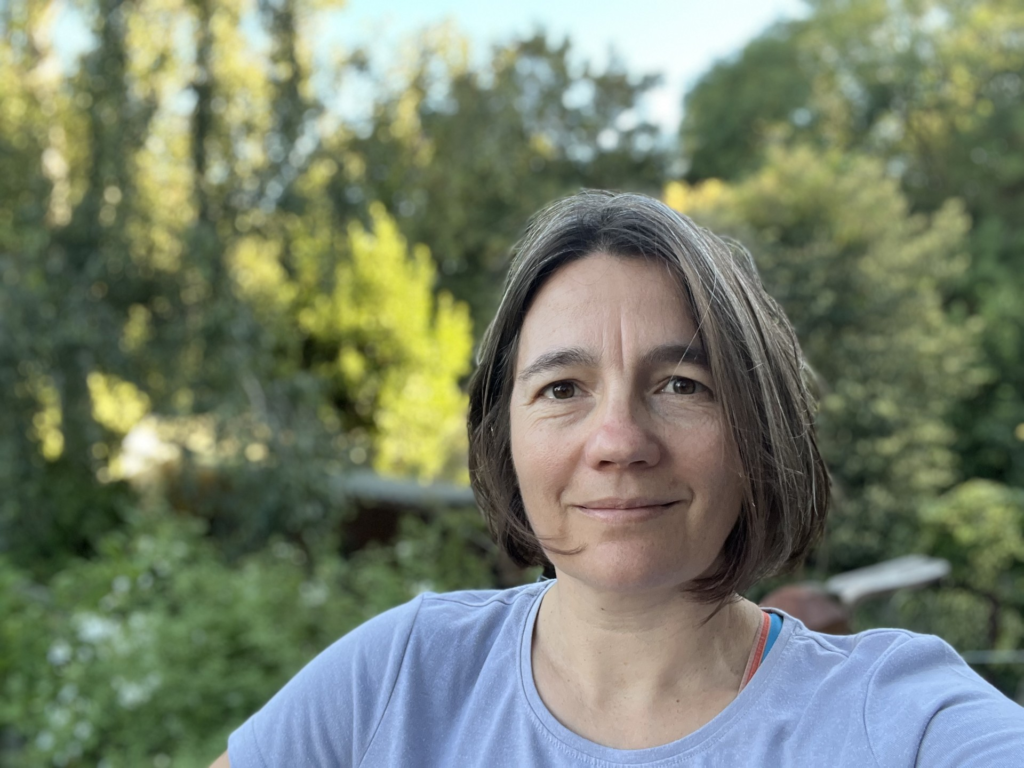
For this issue of the QUOD newsletter, it is a pleasure to introduce Sue Madden, Principal Statistician for NHS Blood and Transplant (NHSBT), based in Filton. Sue works with data relating to deceased organ donation across the UK, and her role is central to understanding and improving organ donation services, combining detailed statistical analyses with close collaborations across clinical, operational, and research teams.
Sue works within NHSBT’s Clinical Directorate as part of a statistics team of around 30 people, who cover all of the services NHSBT provide, including organ and tissue donation and transplantation, blood donation and transfusion medicine, and clinical trials. The organ donation team comprises four staff members, including Sue. This time of year is particularly busy for Sue and her colleagues as the annual reporting season gets underway following the end of the financial year. Data submitted up to the end of March are carefully validated and analysed to produce national reports that are published online and shared with the public.
While her role is varied, a typical week for Sue may include meeting with clinicians, discussions about ongoing studies, supporting research requests, producing analyses for publications, or providing data to the communications team for media releases. She works closely with a wide range of people and teams, including NHSBT’s Associate Medical Director for Deceased Donation, Dr Dale Gardiner, , as well as Specialist Nurses in Organ Donation, operational teams, and researchers across the UK.
One of the main aspects of Sue’s work is supporting the National Potential Donor Audit (PDA), which is a UK-wide system that has been managed by NHSBT since 2003. The PDA reviews all deaths in critical care to identify the potential for organ donation within all hospitals across the UK. Twice a year, Sue’s team produces detailed reports for NHS trusts, health boards and NHS boards, alongside summary letters for chief executives, to give them feedback on their performance, with the aim of helping to keep organ donation high on organisational agendas and highlighting areas for improvement.
Sue also works closely with QUOD, supporting the sharing of donor data for research purposes. NHSBT maintains the national donor database, and Sue’s team provides monthly updates on donor demographics and other information that helps researchers to identify suitable study cohorts. More detailed datasets can then subsequently be requested for approved studies, including information such as blood test results and transplant outcomes.
Sue landed her career within the NHSBT statistics team “almost by accident” after completing her degree in Maths. Despite not being a planned move, she has never looked back and has worked there ever since, with a short career break in 2004–2025, when she completed a Master’s degree in Statistics at the University of the West of England. While she doesn’t have a medical background, she has built extensive knowledge of organ donation, transplantation, and the clinical language surrounding the field over the years.
Sue describes the statistics team as highly supportive and values the sense of purpose behind the work. In her 26 years with NHSBT, she has seen huge technological advances transform the speed and sophistication of statistical analysis and reporting. She is also passionate about maintaining strong team cohesion, particularly after the disruption caused by the COVID-19 pandemic, and values the opportunities that in-person working provides for sharing knowledge and experience.
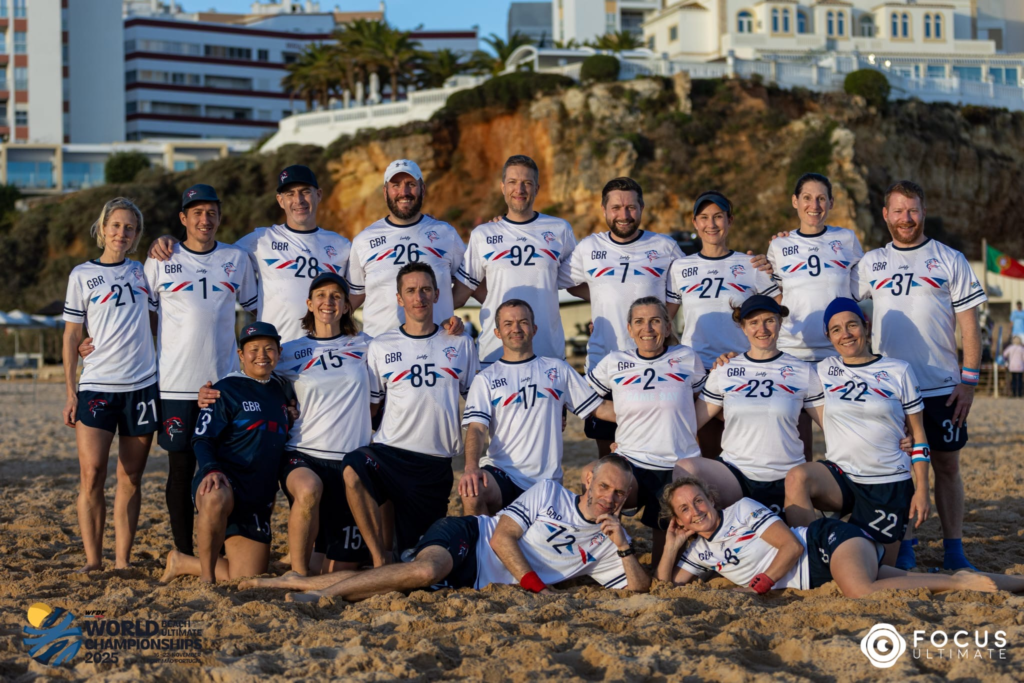
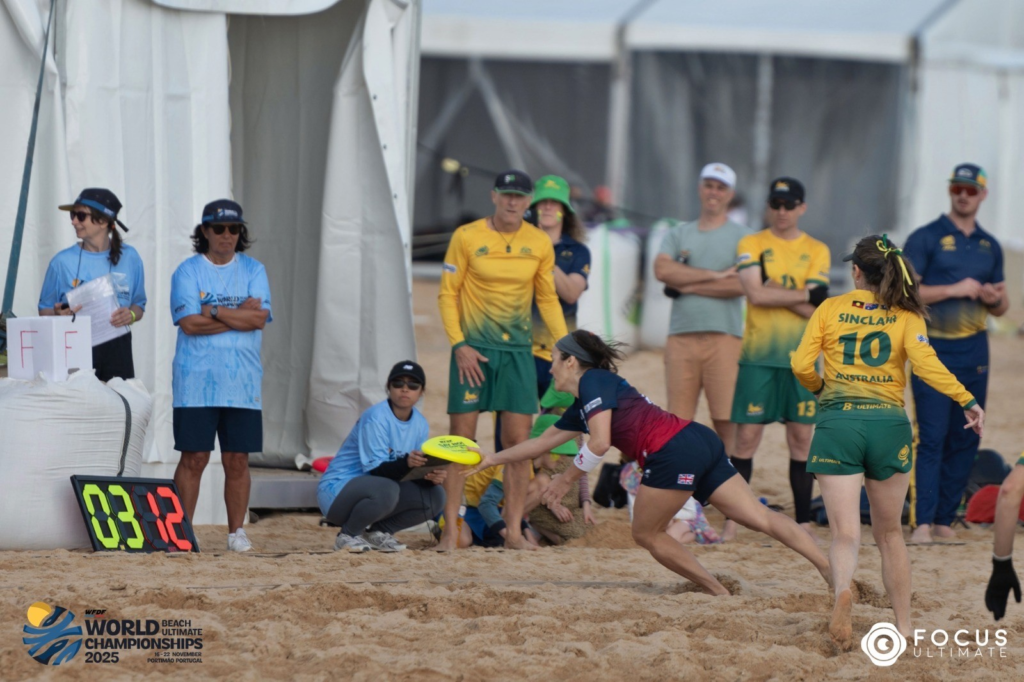
Outside of work, Sue loves to play ultimate frisbee, which she loves for its friendly community spirit, competitiveness, and flexibility to be played almost anywhere, from beaches to open fields. One of the sport’s unique features is that it is self-refereed and relies heavily on honesty and sportsmanship between players. Sue recently represented Great Britain in the Grand Masters division at the 2025 World Beach Championships in Portugal and relished the opportunity to return to competitive play. Although currently sidelined by injury, she is hoping to get back on the field soon. We wish her well and hope she can return to playing again soon.
GB Great Grand Masters Mixed Team at the World Beach Championships in Portimão, PortugalSue in action!
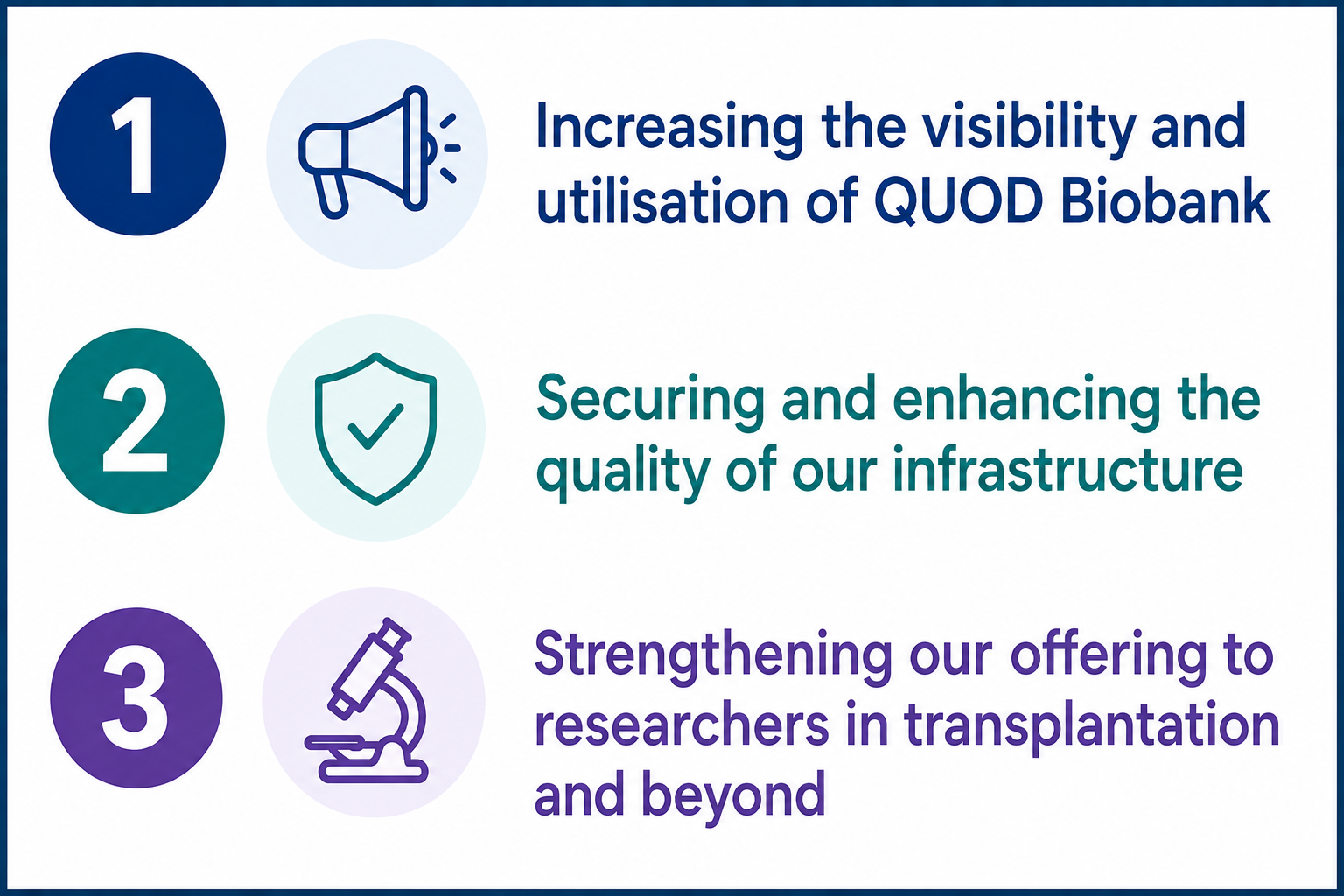
As part of QUOD’s 2025–2030 strategy, we have identified three long-term priorities:
Each year, these priorities are translated into a detailed strategic plan that guides our activities and investments.
During 2026–2027, we will focus on increasing awareness and utilisation of QUOD Biobank through new collaborations with industry and charities, the launch of a QUOD ambassador network, and the implementation of a refreshed brand and communications strategy. At the same time, we will continue to strengthen our infrastructure through initiatives focused on sustainability, leadership, and quality assurance.
Looking ahead, we will also explore several potential developments that could enhance QUOD Biobank’s future offering, including multi-organ multi-omics programmes, recipient and perfusate biobanks, and new data landscape initiatives. Over the coming year, these opportunities will be assessed for their feasibility, value, and funding potential, helping to shape the next phase of QUOD’s development. For more information on our strategy and strategic plan, please visit the QUOD Biobank website.