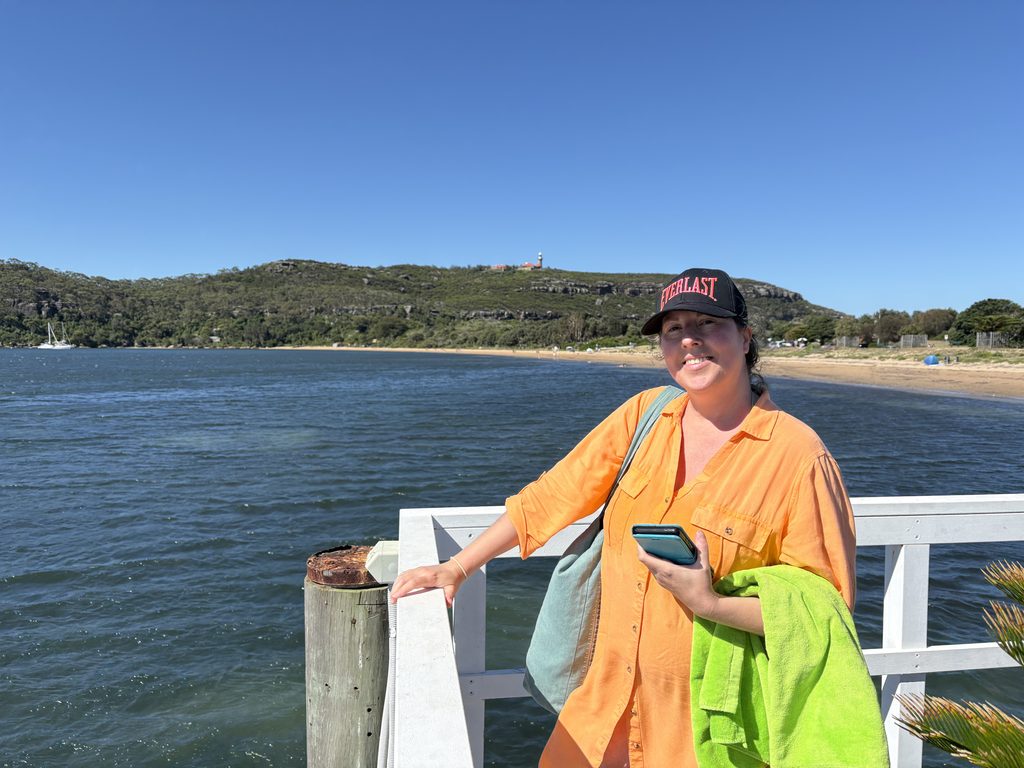

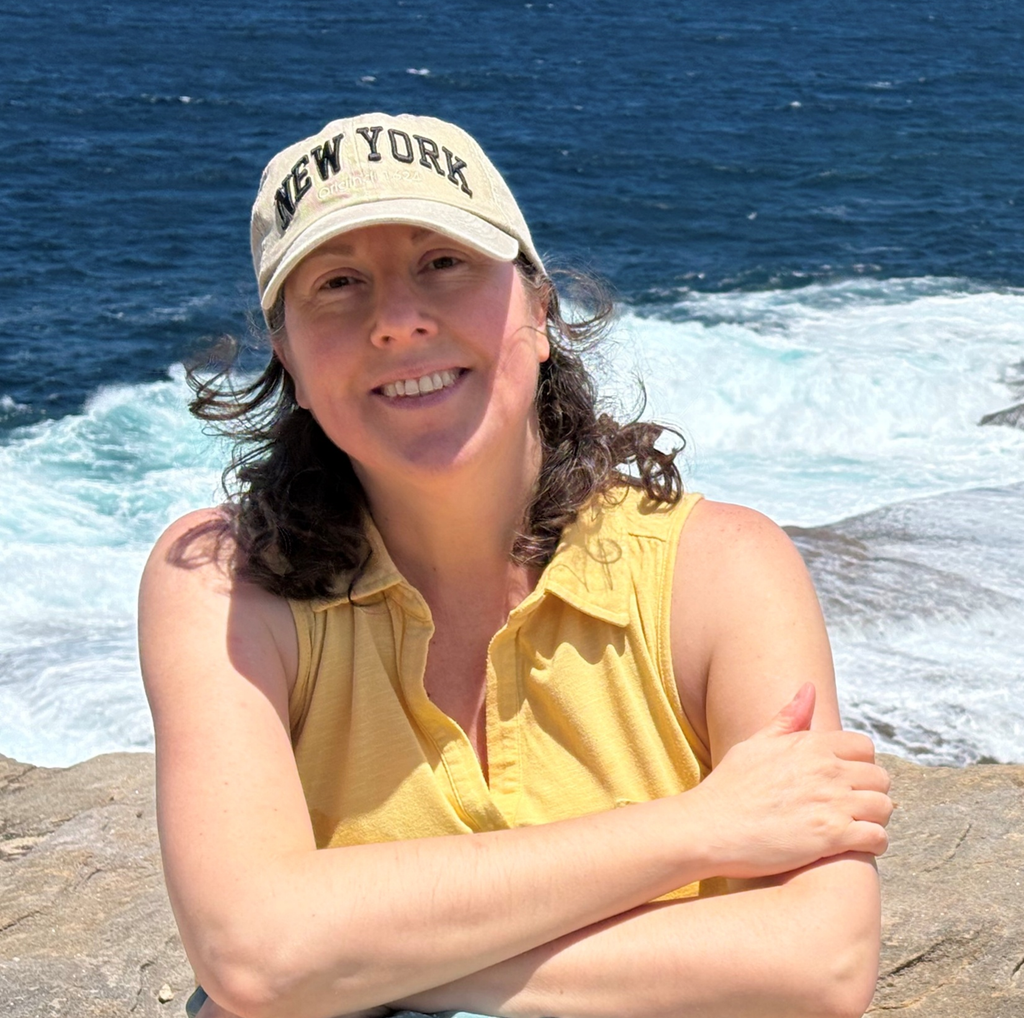
Behind every successful biobank is a framework of policies, procedures, and safeguards that ensures precious donated samples are handled responsibly and research can take place according to the required legislation. This issue’s QUOD Spotlight Interview introduces Ana Gil-Bernabe, Quality and Governance Manager for QUOD Biobank, whose hard work helps keep everything running smoothly behind the scenes.
Ana’s role involves making sure that everything is done correctly, ensuring that QUOD Biobank’s activities comply with three levels of regulation: national legislation; University of Oxford policies; and the biobank’s own local procedures. These include requirements set by the Human Tissue Authority (HTA), the Health Research Authority, and relevant legislation, alongside university policies covering human tissue, information security, data handling, and laboratory practices.
Ana makes sure that everyone has the right procedures and training in place to carry out their work correctly and consistently. Standardisation is central to this. Clear, regularly reviewed procedures help ensure that samples are collected, processed, stored, and distributed consistently across QUOD Biobank’s network, supporting both regulatory compliance and reliable research. QUOD Biobank operates through a central team in Oxford and a network of regional centres across the UK. Each team member requires training and documentation relevant to their responsibilities. Ana manages this through iPassport, QUOD Biobank’s quality management system, which provides access to standard operating procedures, tracks training, and records competency. Documents are formally reviewed every two years, or earlier, when necessary, while training and compliance are monitored more regularly.
For Ana, quality management and governance are much more than checking boxes; they are about learning and improving. Regular meetings provide opportunities to discuss incidents, near misses, and potential improvements. These conversations encourage an open culture where staff feel comfortable asking questions and raising concerns. “People are very respectful of the procedures and aren’t afraid to ask before doing something they’re unsure about,” she says.
QUOD Biobank also carries out regular audits to ensure satisfaction of the four core HTA standards: consent; premises and equipment; traceability; and quality management. Ana sees these reviews as opportunities to improve rather than simply demonstrate compliance. “As the biobank matures, we need to keep questioning why we do things in a particular way and whether there might be a better approach.” She works closely with the University of Oxford’s Human Tissue Governance group, which supports compliance with the institutional HTA licence and provides guidance when complex questions arise.
Ana is particularly keen to challenge the perception that governance is simply about restrictions and paperwork. Regulations exist to protect donors, ensure samples are handled respectfully, and maintain confidence in research. Although agreements and approvals can take time, these safeguards are essential. “Governance is a pathway to research activity, as it allows you to do the things you perhaps thought you might not be able to do.”
Having previously worked as a researcher herself, Ana understands the importance of enabling scientists to access the materials they need. She loves engaging with research in her job and says “it is our job to facilitate research but to respect the regulations.”
Ana’s career path to her role in governance evolved with her. She has always been fascinated by the human body and the science behind how it works. In Spain, where Ana grew up, she studied Pharmacy at the University of Santiago de Compostela, before completing a PhD in Oncology at the University of Seville. A research placement in Vienna during her PhD confirmed her enthusiasm for scientific discovery, and she subsequently moved to Oxford for a postdoctoral position to study cancer metastasis. However, balancing the demands of laboratory research with family life became increasingly challenging after the birth of her daughter, with her husband also working as a postdoctoral researcher. When an opportunity arose to move into a governance role within Oxford’s Department of Oncology, Ana recognised that it offered a way to remain involved in science while achieving a better balance. The transition proved a natural fit, combining her understanding of laboratory research with the legal, ethical, and practical requirements of research governance. Although she no longer works directly at the laboratory bench, she finds great satisfaction in helping others carry out their research.
Outside of work, Ana’s greatest passion is the sea. Having grown up on the Spanish coast, she misses having the water on her doorstep now that she lives in Oxford. She recently discovered the word thalassophilia, meaning a deep love of the sea, and immediately recognised herself in it. Ana loves several water sports, from swimming to sailing, snorkelling, and diving, and says that being near the water brings her a sense of peace and happiness as well as a connection with nature. Her love of travelling and spending time with family saw Ana go diving at the Great Barrier Reef while visiting her Australian husband’s family, which was a real highlight for her. For someone whose work involves navigating complex regulations and ensuring that everything runs smoothly, perhaps it’s fitting that Ana finds her greatest sense of calm beneath the waves.