EPITA Symposium 2026

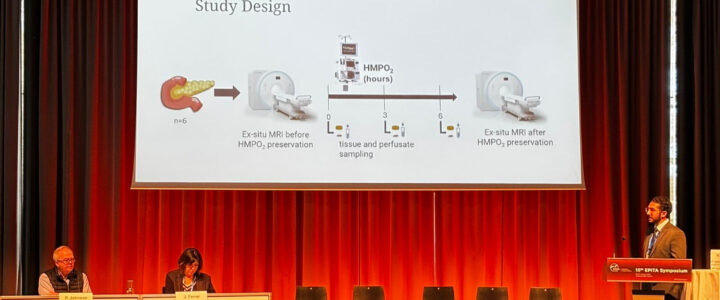
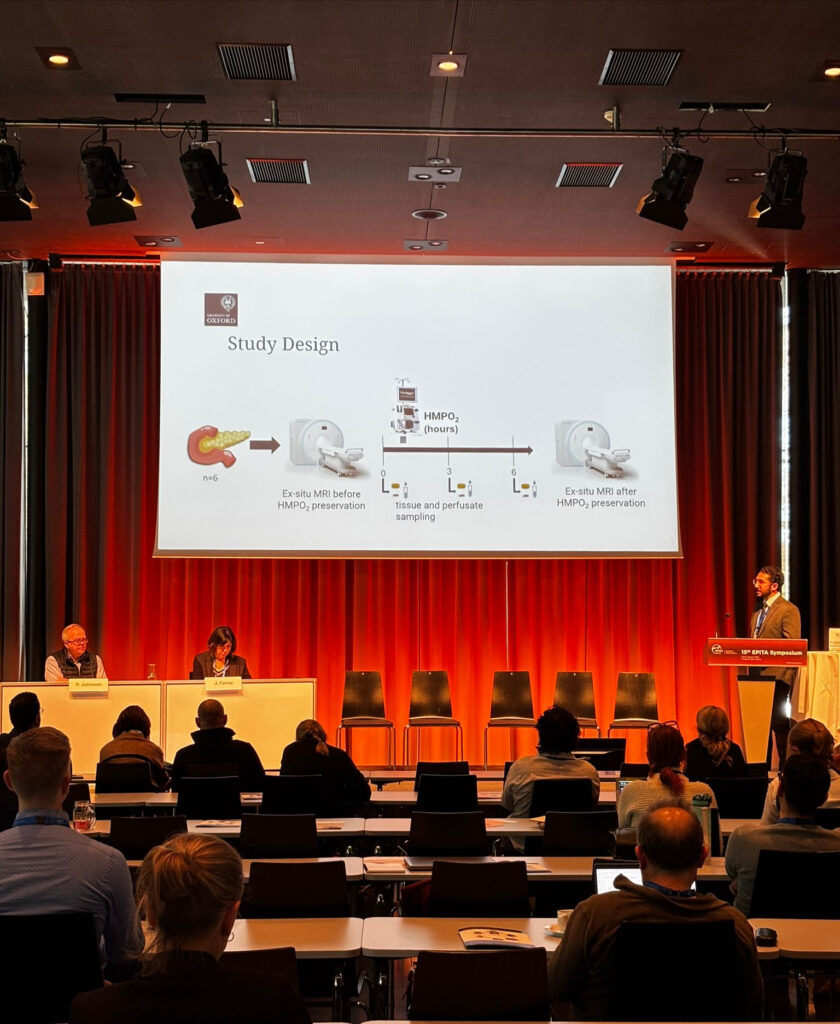
In March, Mohamed El Zawahry presented two talks at the EPITA Symposium in Innsbruck-Igls, Austria.

His presentations were titled:

  • Ex-situ multiparametric magnetic resonance imaging assessment of human pancreas grafts and the effects of oxygenated hypothermic machine perfusion

  • Metabolomic profiling of pancreas grafts preserved by oxygenated hypothermic machine perfusion

Both research projects utilised QUOD Biobank samples and we are incredibly proud to have supported this important work. 

The future of NURTuRE workshop

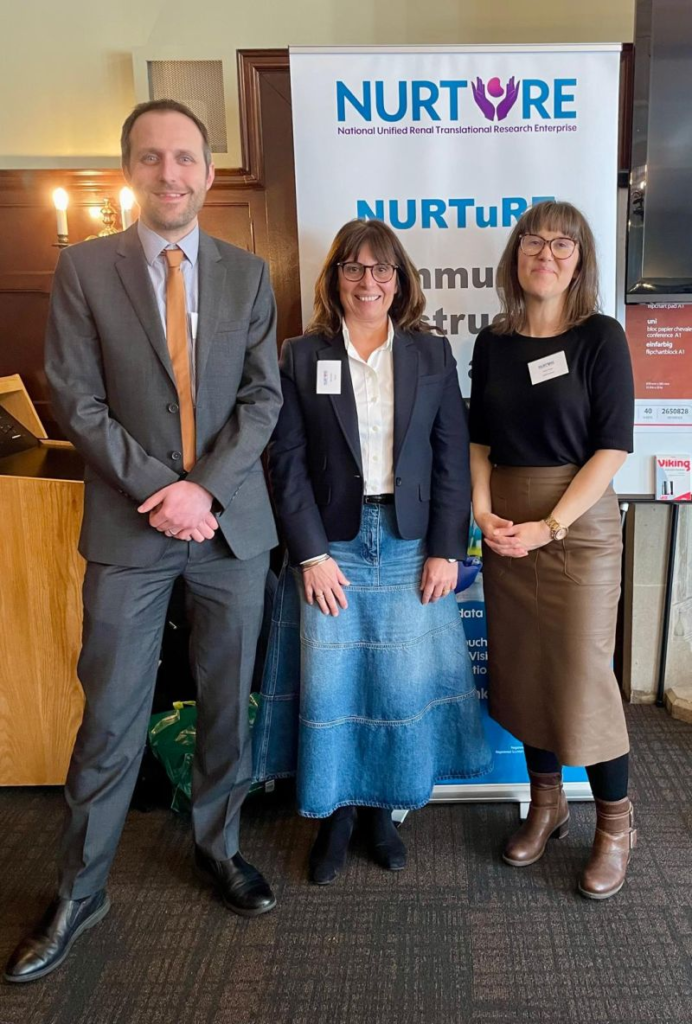
Maria Kaisar and Sarah Cross from the QUOD Executive attended the KRUK “Future of NURTuRE” workshop on 4 February, an engaging and thought-provoking event focused on the future of kidney research infrastructure. The day was packed with presentations and lively discussion, exploring how the NURTuRE platform could continue to evolve to support research across the full spectrum of kidney disease.

During the ‘NURTuRE and Transplantation’ session, Maria introduced the QUOD Biobank as a valuable donor bioresource for the research community. Sarah then highlighted opportunities for future collaboration, outlining the potential for a new national transplant recipient bioresource. This initiative could form the foundation of a shared NURTuRE–QUOD cohort of kidney transplant recipients, creating exciting possibilities for advancing transplant research

David Baird shared a personal perspective on some of the research questions and opportunities that a transplant recipient biobank could help unlock. It was also exciting to hear from Stephen Marks on the paediatric transplant recipient bioresource already established at GOSH.

The workshop sparked many promising conversations, and we look forward to continuing discussions with NURTuRE and other partners as we work towards developing a nationwide transplant recipient bioresource, providing researchers with rich samples and data spanning the entire transplant journey.

Mohamed El Zawahry shortlisted for BTS Medawar Medal

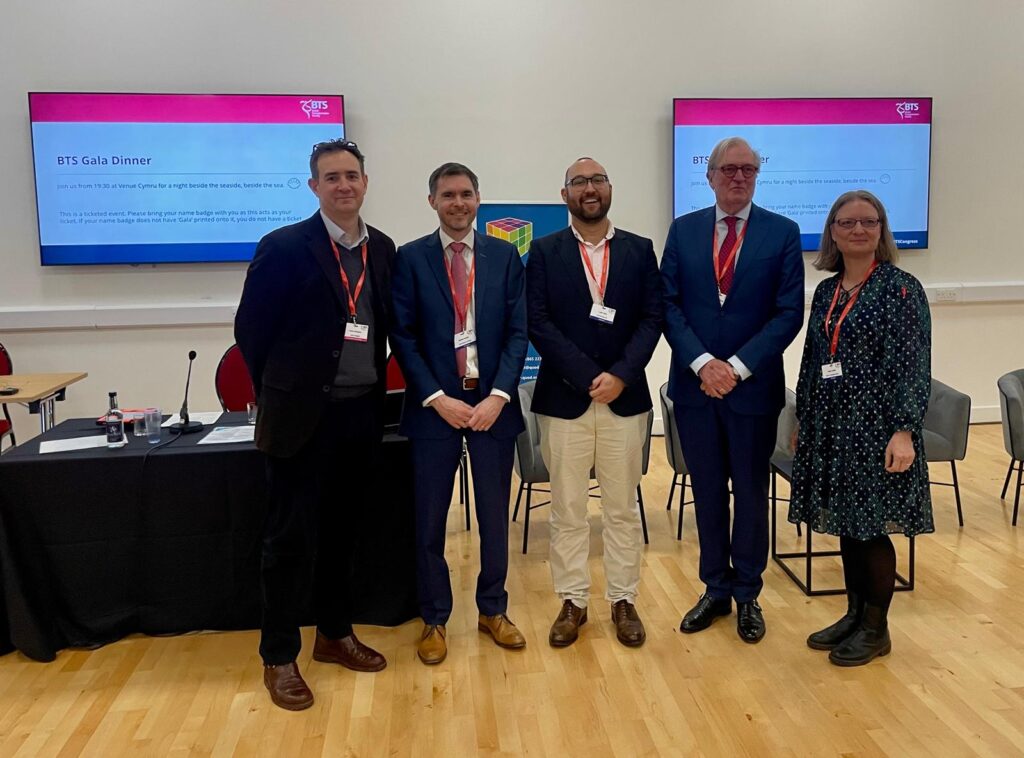
Mohamed El Zawahry (University of Oxford) was one four researchers shortlisted to take part in the prestigious Medawar Medal session at the annual British Transplantation Society (BTS) Congress in Llandudno, Wales. The medal was established in recognition of Peter Medawar, regarded as the father of transplantation immunology, who was the founding chairman of BTS. Two esteemed medals are awarded at each annual congress to young doctors/scientists who present the best clinical and scientific papers.

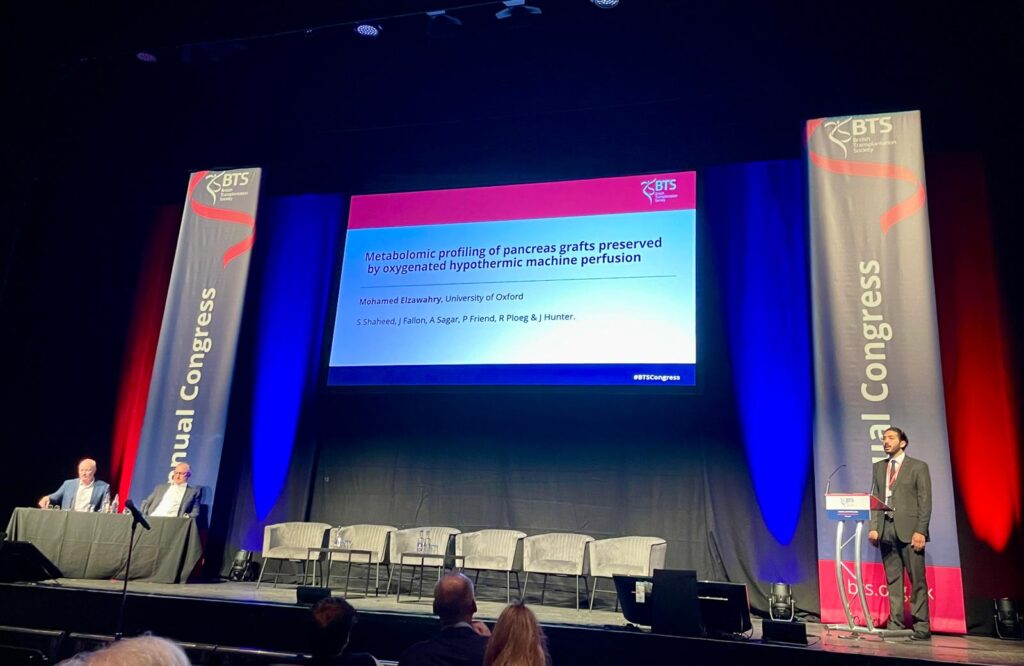
His research on “Metabolomic profiling of pancreas grafts preserved by oxygenated hypothermic machine perfusion” was shortlisted for the clinical award and included samples provided by QUOD Biobank. Huge congratulations on reaching the final!

Prof Rutger Ploeg receives BTS Lifetime Achievement Award

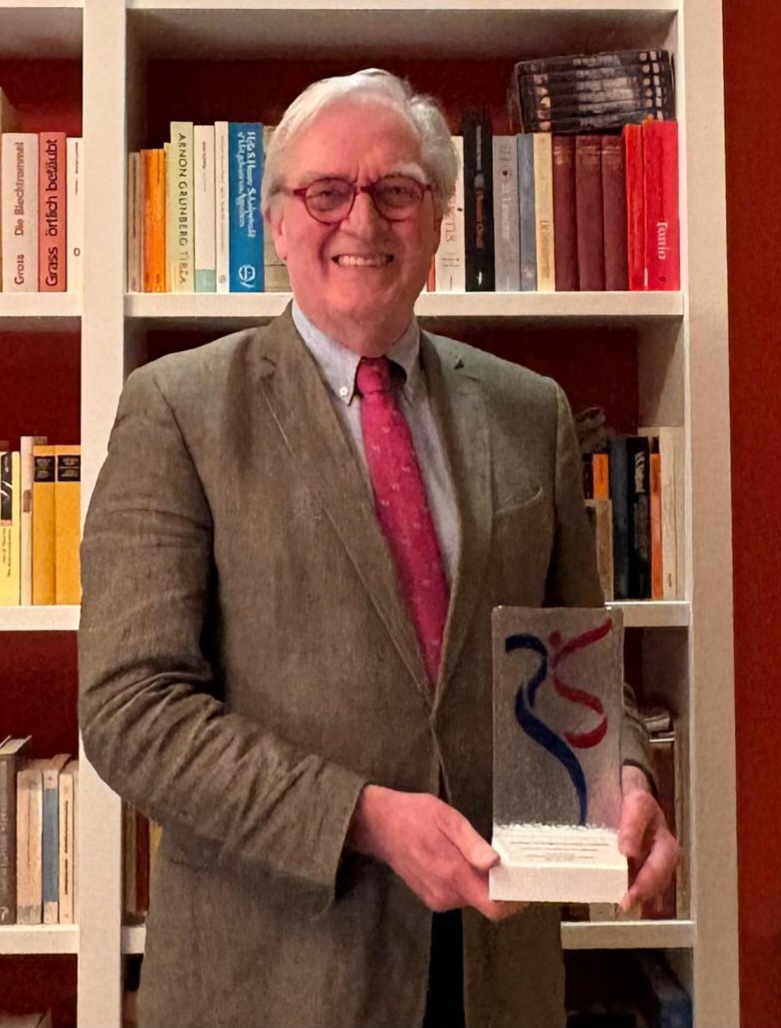
The British Transplantation Society (BTS) Annual Congress was held in Llandudno, Wales, in March. QUOD Biobank’s founder, Prof Rutger Ploeg, received the prestigious Lifetime Achievement Award in recognition of his outstanding contribution to transplantation. The award was presented at the gala dinner, where the entire room rose in a standing ovation. Prof Ploeg announced that he was deeply honoured to receive this recognition in his heartfelt acceptance speech. He expressed sincere gratitude, highlighting the importance of collaboration and the warm welcome he experienced within the UK transplant community.

“The Lifetime Achievement Awards celebrate the clinicians and scientists who have made pioneering developments, advancements and discoveries in the field of transplantation and who have dedicated their careers to providing care to transplant patients.”

Full details of the award and previous recipients can be found on the BTS website.

UK Kidney Week 2026

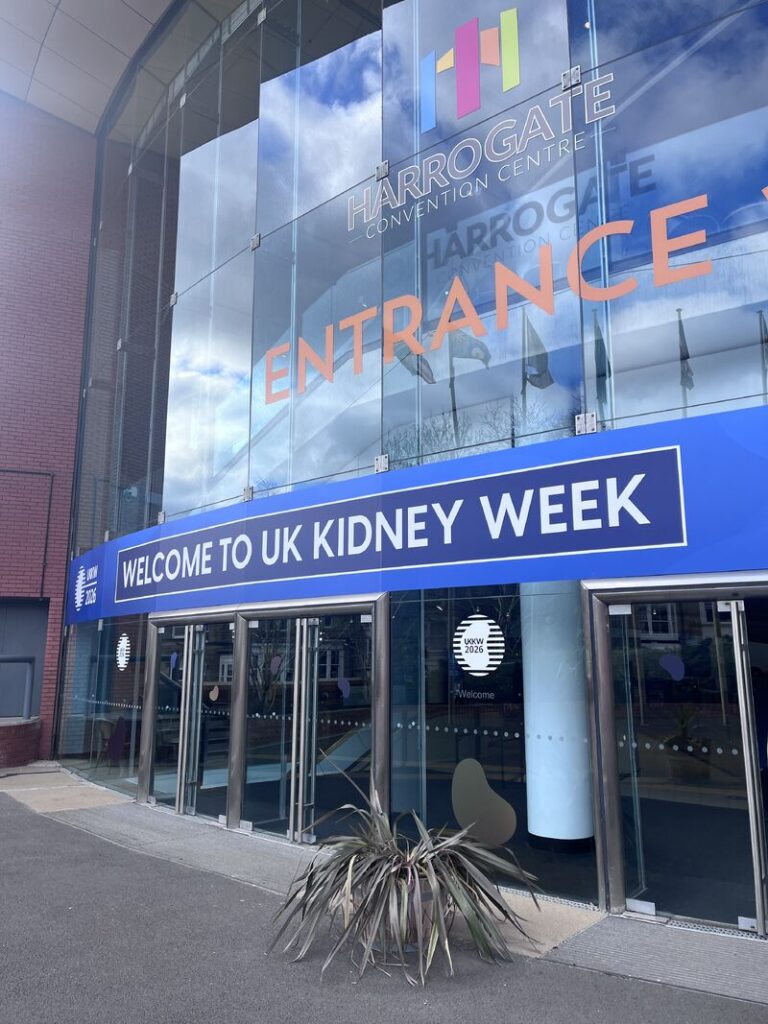
In March, Dr Ioannis Michelakis attended UK Kidney week in Harrogate, where he presented his work, which included samples from the QUOD Biobank. He sent us his report:

UK Kidney Week 2026 in Harrogate was a very interesting meeting, bringing together clinicians and researchers across nephrology to discuss recent advances in kidney disease. I had the opportunity to present our work from the University of Oxford in an oral presentation titled “Cystatin C vs Creatinine in deceased donors: drivers of the discrepancy between the markers and associations with post-transplant outcomes.”

The conference provided a valuable platform for exchanging ideas. I took part in a round table discussion on “Silent Signals: How Laboratory Medicine Reveals Renal Disease.” Overall, it was a very engaging and productive meeting with strong emphasis on collaboration and translational research.

NHSBT Clinical and R&D Conference 2026

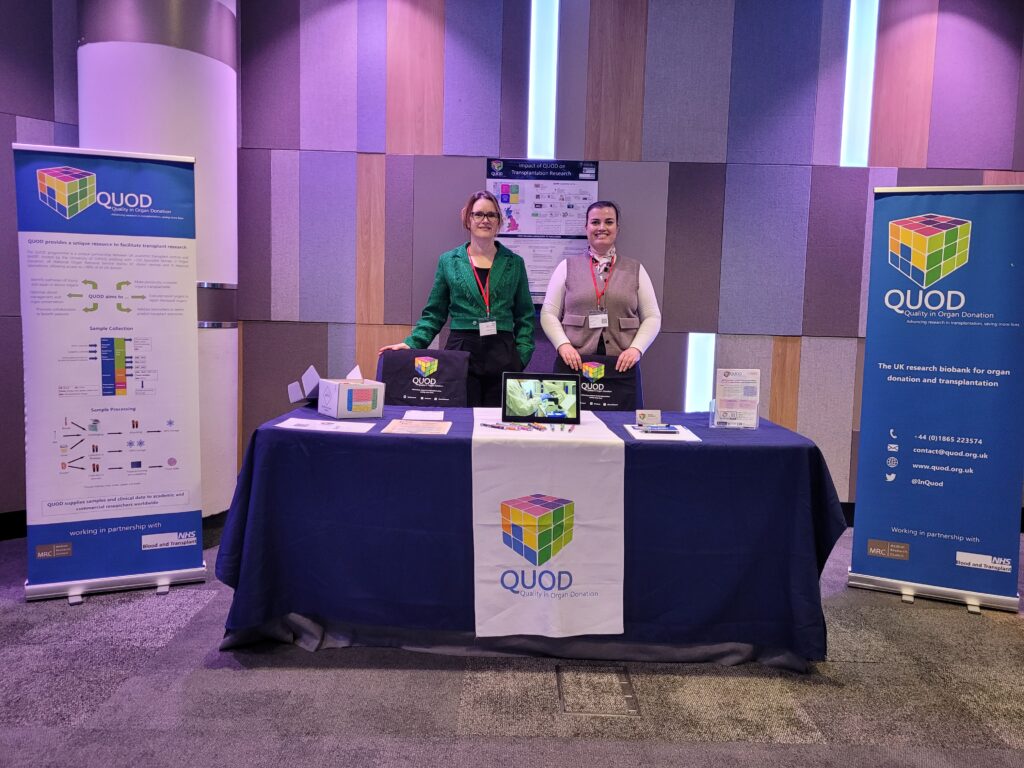
In January, the QUOD team attended the NHSBT Clinical and R&D Conference 2026 in Birmingham. The two-day event brought together colleagues from across NHSBT to share developments in clinical practice and research within transplantation.

The conference opened with a plenary session featuring NHSBT Medical Directors, who spoke about blood and organ donation, with a strong focus on improving patient and donor outcomes. It was an engaging start that set the tone for a programme filled with insight, innovation and collaboration.

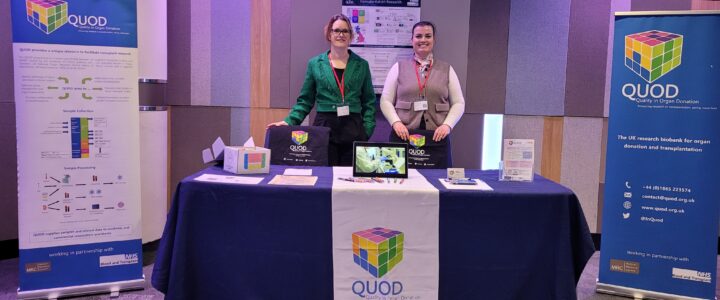
Throughout the conference, the QUOD team hosted a stand, providing a valuable opportunity to raise awareness of the QUOD Biobank, which is funded by NHSBT. While some attendees were already familiar with QUOD, many welcomed the chance to learn more about how we collect samples and the wide range of studies we support.

Across both days, we enjoyed connecting with colleagues from a diverse range of roles and disciplines, gaining a deeper understanding of the breadth of work taking place across NHSBT and the shared vision for the future of transplantation research.

Oxford Brookes Science Bazaar 2026

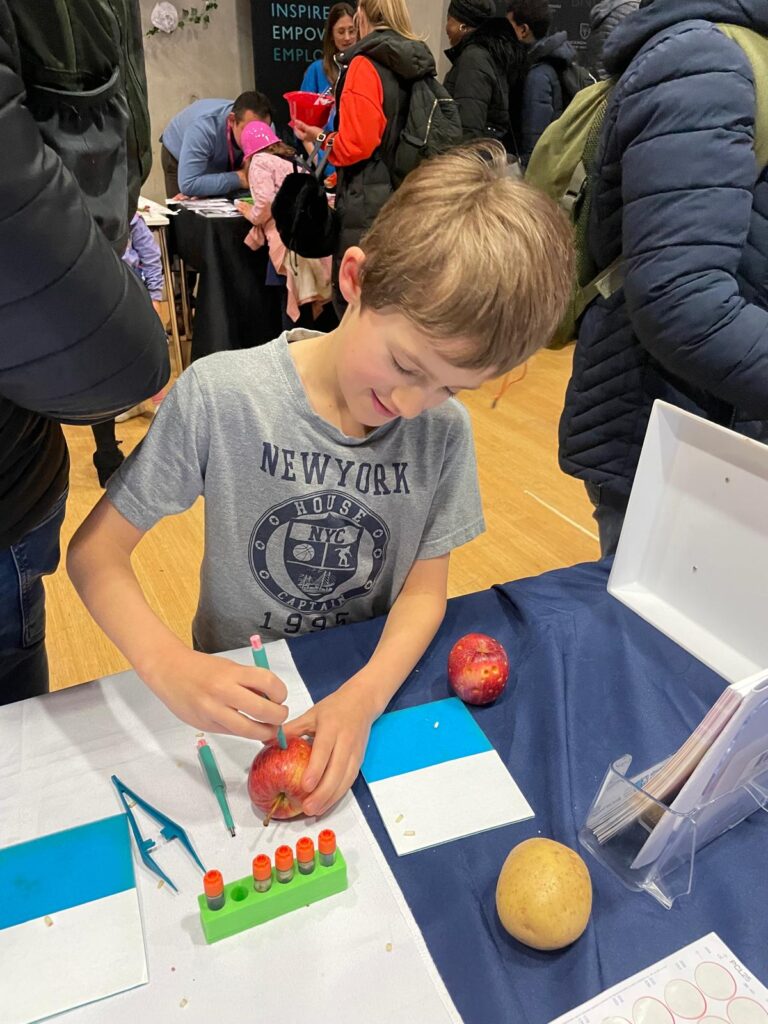
In February, the QUOD team was delighted to take part in the Oxford Brookes Science Bazaar 2026 for the very first time. It was an impressive event, with an estimated 10,000 attendees, and the day brought together families from across Oxfordshire for an educational day exploring science.

Our team relished the opportunity to introduce visitors to the QUOD biobank, explaining everything from sample collection to the vital research it supports. The event was highly interactive, giving attendees the chance to see our bespoke QUOD box and even practise taking a biopsy (on apples!).

We were particularly impressed by the children who visited our stand. Many demonstrated fantastic knowledge of human anatomy, confidently identifying organs and where they are located in the body. “Paul” the life-sized torso was a big hit, offering visitors a hands-on approach to gain a deeper understanding of how our bodies are put together by removing and replacing his organs. There were also colouring in and word search activities, as well as a popular tombola, offering something for everyone.

We were also proud to showcase a selection of published manuscripts arising from studies supported by the QUOD biobank, highlighting the real-world impact of our work.

The day was a tremendous success, and it was a pleasure to meet everyone who stopped by our stand. A huge thank you to the organisers for hosting such a fantastic event. We look forward to returning in the future!

Innovation Competition Final!

In January 2026, the Live Life Give LifeBritish Transplantation SocietyQUOD Innovation Competition was launched.

Live Life Give Life (LLGL) very generously provided pump-priming funding for two awards available to early career research scientists, clinicians, nurses, and allied health professionals. The funding was for UK-based studies and designed to help research projects generate preliminary data or support an ongoing research program.

The two awards were:

QUOD Impact Award
The QUOD award will allow the researcher to access samples in the QUOD bioresource to use in their studies. The award covers up to £3.5k of samples, with a minimum of £2k to be used on samples and the remaining funds able to be used for analysis.

Open Discovery Award
The second award is also for £3.5k and is to support early stage transplant research. There were no restrictions on applications for this award and it included quantitative and qualitative studies.  

We received a strong set of high-quality applications that were assessed against several criteria, including project originality, potential patient impact, and prospects for clinical translation.

Six researchers were shortlisted in total, with three finalists selected for each award:

QUOD Impact Award
  • Christiana Lekka
    University of Exeter
    Inside the Pancreas: How Diabetes and Obesity Reshape the Organ

  • Sofia Kazerouni
    Newcastle University
    Validation of artificial intelligence (AI) models for macroscopic donor kidney assessment to support transplant utilisation decisions

  • Michael Corr
    Queen’s University Belfast
    Are plasma proteomic signatures at retrieval associated with early graft dysfunction in high risk deceased donor kidneys?
Open Discovery Award
  • Dhruv Satya Sahni
    Glasgow University
    A longitudinal cohort study of urological complications predictable by pre-transplant lower urinary tract symptoms (SCOPE)

  • Isaac Chung 
    St George’s, London
    Investigation into differences in vascular biology of kidney transplant recipients and donors

  • Natalie Clark
    James Cook University Hospital, Middlesbrough
    Developing a tailored public health intervention for NHS staff: London

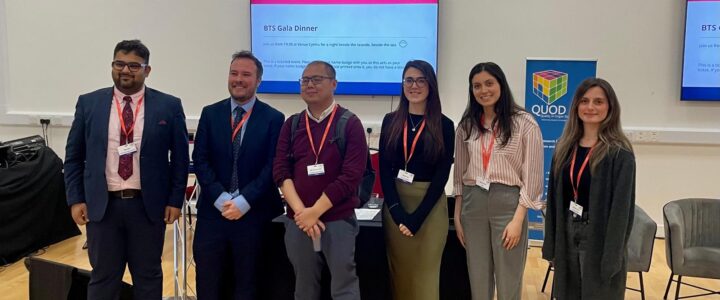
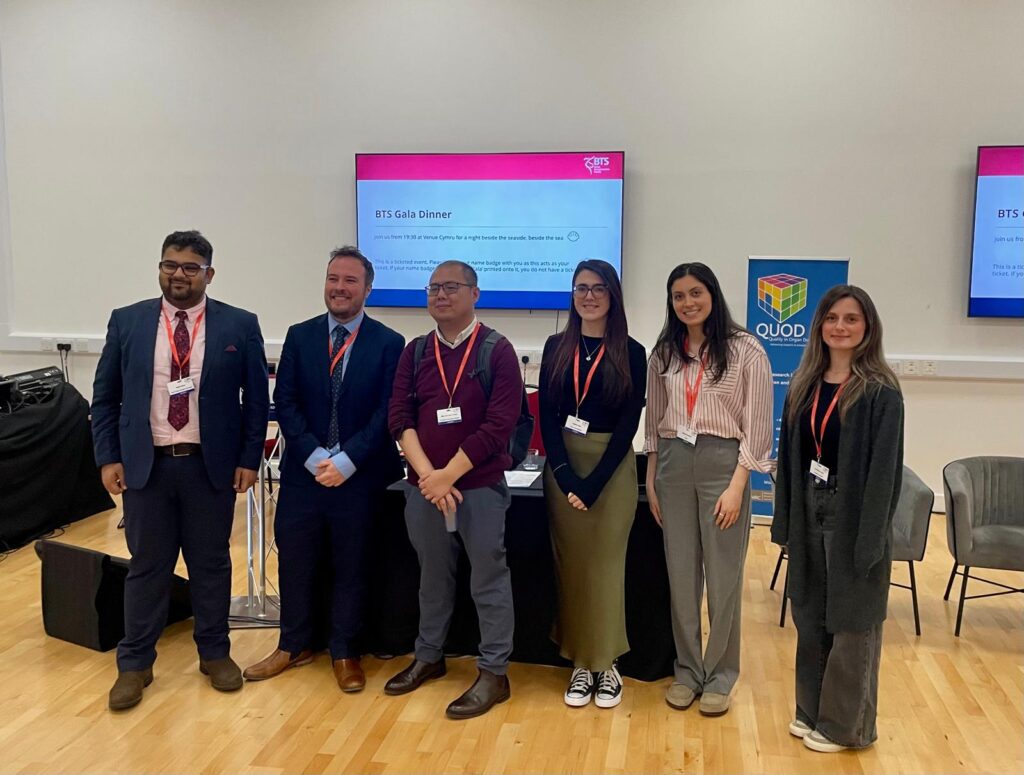
The final of the Innovation Competition took place at the BTS Annual Congress 2026 in Llandudno on 5 March. The judging panel, comprising Prof Rutger Ploeg, Ms Alison Smith, Mr Chris Callaghan, and Dr Luke Yates, were highly impressed by the exceptional quality of the proposed research, which made selecting the winners particularly challenging.

After careful deliberation, the winners were announced that evening at the BTS Gala Dinner. Congratulations to Michael Corr and Isaac Chung! We are delighted to support these research projects and look forward to seeing the outcomes of their work.

Our thanks also go to everyone who applied to the competition. We are incredibly grateful to Live Life Give Life for sponsoring the Innovation Competition, and to BTS for supporting the competition and hosting the final.

“Taking part in the Live Life Give Life / BTS / QUOD Impact Award competition was a fantastic experience. It was a great opportunity to present my research ideas and to hear about the innovative work being carried out by other early career researchers.

My research focuses on using proteomics to better risk-stratify higher-risk donor kidneys, with the aim of improving how we assess and utilise donated organs. Winning the award is incredibly encouraging, and the funding will allow me to access QUOD resources to help develop this work further and support the establishment of my research agenda as I progress in my post-doctoral career.”

Michael Corr, winner of the QUOD Impact Award

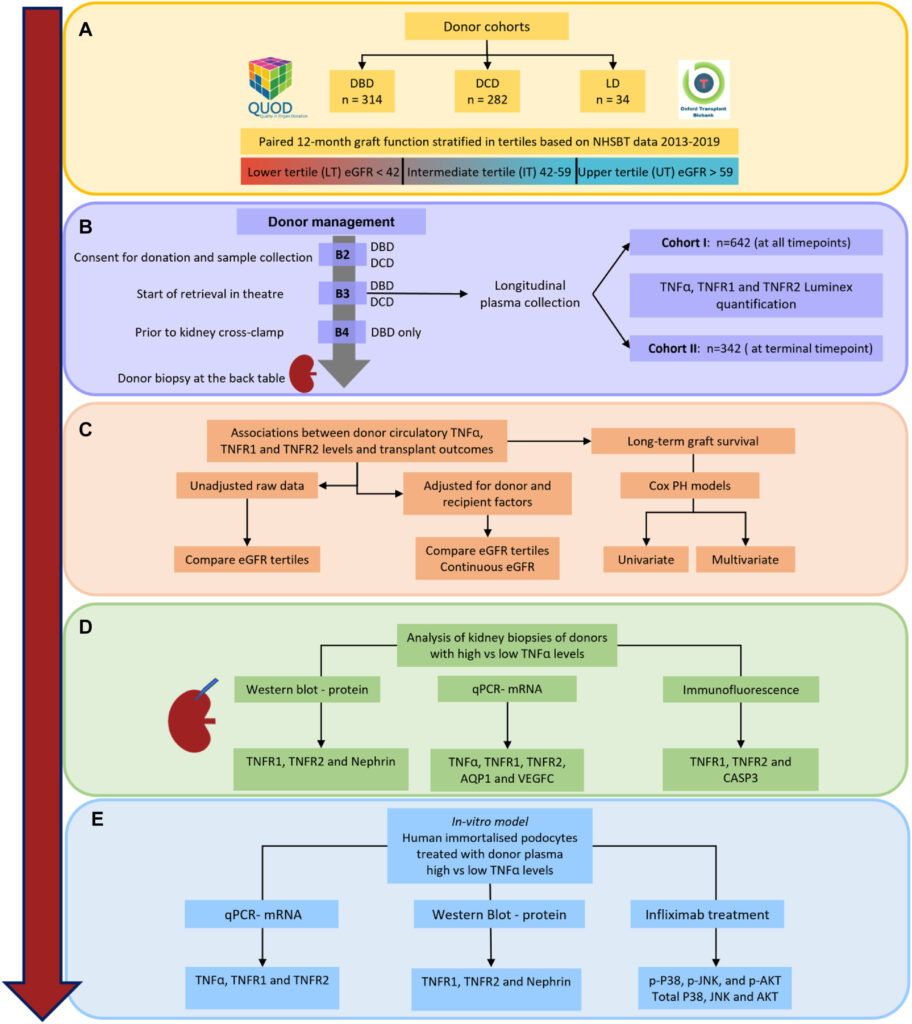
Research highlight: Circulating tumor necrosis factor α in deceased donors promotes kidney injury and associates with inferior short- and long-term graft function and survival

A recent study by Sarah Fawaz and colleagues, led by Professor Maria Kaisar at the University of Oxford, used samples and data from the QUOD Biobank to investigate whether inflammation in deceased donors contributes to kidney injury before transplantation and affects graft outcomes afterwards. The study focused on tumour necrosis factor alpha (TNFα) and its receptors, TNFR1 and TNFR2, exploring both their clinical associations and their biological relevance in the donor kidney.

Kidney transplantation remains the best treatment for end-stage kidney disease, but the continued shortage of donor organs means that transplant teams increasingly rely on kidneys from deceased donors, which have more complex risk profiles. While routine donor assessment captures clinical factors such as age and comorbidity, it does not fully reflect the biological stress experienced by organs during donor management. In donation after brain death, this stress can include a pronounced inflammatory response — sometimes described as a cytokine storm — which may contribute to kidney injury even before the organ is retrieved.

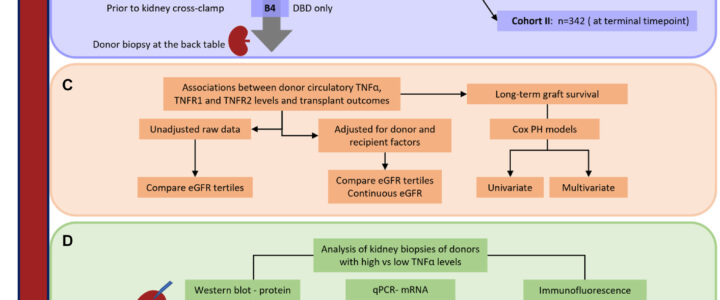
To investigate this, the team quantified TNFα, TNFR1, and TNFR2 in 1,018 longitudinal plasma samples collected during donor management from 596 deceased donors (QUOD Biobank) and 34 living donors (Oxford Transplant Biobank). These measurements were linked to recipient outcomes, including graft function at 12 months and long-term graft survival up to 96 months. The study also incorporated matched donor kidney biopsies and mechanistic experiments in cultured human podocytes, allowing the findings in donor plasma to be examined alongside direct evidence of tissue injury.

The study found that high donor plasma TNFα levels were strongly associated with poorer kidney graft function at 12 months and up to 60 months, as well as reduced graft survival up to 96 months. Importantly, this signal was seen in donors after brain death, but not in donation after circulatory death, suggesting that the inflammatory biology of brain death may have consequences for kidney quality. These associations were confirmed in an independent validation cohort and remained robust after adjustment for donor and recipient variables.

Analysis of matched kidney biopsies showed that kidneys with high TNFα had increased expression of inflammatory and injury-related markers, including TNFR1, TNFR2, and caspase-3, together with reduced nephrin and aquaporin-1. This suggests damage affecting both the glomeruli and tubules. In vitro experiments strengthened this link further: podocytes exposed to plasma from donors with high TNFα developed an injury-associated profile, including activation of injury-related pathways, such as p38 MAPK and JNK signalling. This response was reduced by infliximab, which blocks TNFα, suggesting that TNFα-driven injury pathways may be not only measurable during donor management, but also potentially modifiable.

Together, these findings highlight donor inflammation as an important determinant of transplant outcome and suggest that inflammatory profiling during donor management could improve donor organ assessment. More broadly, the findings point to a clinically actionable window before transplantation, where targeting pathways, such as TNFα signalling, may help protect donor kidneys and improve long-term graft outcomes.

Summary

Using QUOD Biobank donor plasma and kidney biopsy samples, this study showed that high donor TNFα levels are linked to kidney injury and poorer transplant outcomes, particularly in donation after brain death. By combining clinical associations, biopsy findings, and podocyte experiments, the findings suggests that donor inflammation is both biologically relevant and potentially modifiable before transplantation.

These findings were published in the American Journal of Transplantation Feb 2026: DOI: 10.1016/j.ajt.2026.01.023.

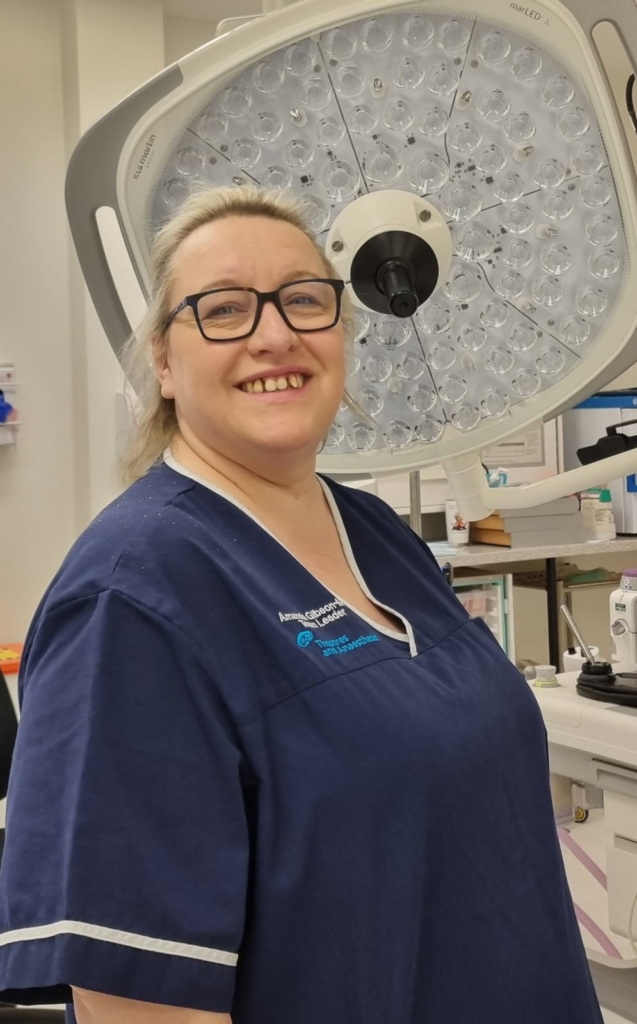
QUOD Spotlight Interview: Amanda Gibson-Mills

For this issue of the QUOD newsletter, we are delighted to shine the spotlight on Amanda Gibson-Mills, Perioperative Team Lead for the Leeds National Organ Retrieval Service (NORS) team.

Amanda leads the liver transplant NORS and elective hepatopancreatobiliary (HPB) service within the Leeds Teaching Hospitals NHS Trust (LTHT), managing a team of around 40 staff, while remaining actively involved in clinical work. Despite the demands of leadership, she’s not one for sitting behind a desk all day and enjoys being hands on, supporting anaesthetics, problem-solving on the day, or heading out on retrievals with the NORS team. Amanda is also the lead Perfusion Practitioner for normothermic regional perfusion (NRP) and OrganOx normothermic machine perfusion. Leeds has recently established itself as an NRP centre, and she has been instrumental in setting up the service.

Amanda provides key support to the QUOD Biobank, coordinating sample collection by the Leeds NORS team. Her involvement begins with her team ensuring a sufficient stock of QUOD boxes and equipment, such as the centrifuge and biopsy guns, and checking the surgeons have everything they need to take the samples. She oversees the whole process, making sure samples are handled correctly, whether that’s reminding the team on the ground to centrifuge blood and urine samples or making sure the biopsies are collected into the correct storage tubes. Her role ends with the NORS team handing the QUOD box over to the QUOD regional lab team in Leeds when they return following the retrieval.

Amanda’s journey at LTHT spans an impressive 28 years, having started at the age of 18 as a Theatre Support Worker. LTHT offered her a secondment to train as an Operating Department Practitioner and she was awarded her diploma in 2008. During her training, a placement within the HPB liver transplant service confirmed to her that this was where she wanted to be. Through sheer determination and hard work, she worked her way towards leadership, shaping services and supporting teams through some of their most challenging times.

What drew Amanda to organ donation, and what keeps her there, is the ability to see the difference made to patients’ lives. She values the relationships built with the recipients and families, and the feedback that comes with hearing patients are doing well. Her first experience of organ procurement at the age of 19, supported by SNOD Julie Jeffries, opened her eyes to the wider impact of donation and transplantation as she vividly remembers hearing where all the organs had gone on to.

Amanda speaks about team culture with a real sense of pride. While she realises that retrieval work isn’t for everyone, many members of her team have been there for over 15 years. There is a strong emphasis on the importance of wellbeing, debriefing after retrievals, and mutual support, particularly on difficult days. She believes that compassionate leadership is essential, and staying connected to clinical work helps her remain grounded and attuned to her team’s needs.

Her leadership style has been shaped by role models, such as Cecelia McIntyre, then NORS lead in Newcastle, whom she met early in her career and who demonstrated that effective leadership and active clinical practice can go hand in hand. Amanda leads by example, encouraging openness, asking for help, and removing ego, reiterating the importance of positive leadership. She believes that creating a positive environment rolls out beyond the team and can make what can be difficult situations really positive. Little touches, such as having names on scrub hats and providing hot drinks and biscuits, to make sure everyone is looked after can have a hugely positive knock-on effect.

Reflecting on her career, Amanda feels she was always destined to work in a hospital setting. She fondly recalled weekends with her late father, who worked at the Leeds General Infirmary, helping him with his work from the age of 5. She has a sense that he helped to shape her career, with him spending time as a patient in some of the departments she later went on to work in. She feels incredibly lucky and privileged to work in transplant services and is proud of the Leeds team’s collective impact. Her journey is a powerful reminder of how dedication, compassion, and teamwork can transform both services and lives.

Outside of work, Amanda stays just as busy. Her 16-year-old son is 2nd Dan at kickboxing and her instinct to help and support others extends beyond the workplace to her son’s team, and she is actively involved with various roles, including facilitating on top tables doing scoring, ushering competitors to the correct mats, and making sure the referees are in place. Kickboxing has taken Amanda and her son to many competitions, both nationally and internationally, and she is excited for their upcoming trip to Abu Dhabi planned later this year. We hope Amanda also prioritises down time in her very busy life and can take time out to enjoy Abu Dhabi in the summer. We wish them all the best of luck!